

 Written by
Osteoarthritis: Living Well With Stiff, Achy Joints
Stiff fingers on a cold morning. Knees that grumble on the stairs. A hip that aches after a long walk. Osteoarthritis is the most common type of arthritis, and many of us will notice it as we get older. It's easy to think it means a slow, steady decline. It doesn't have to.
Osteoarthritis doesn't always get worse over time, and for some people it gradually improves. There's a lot you can do to ease the pain and keep doing the things you love, and the most powerful tool is free: movement. This guide explains what osteoarthritis is, what tends to cause it, what usually helps, and when to see a doctor. It can't tell you what is causing your own joint pain, but it can help you take the next step.
What osteoarthritis is and how it feels
The ends of the bones in your joints are covered with smooth, slippery cartilage that helps them glide against each other. Every day, your joints go through a little wear and repair. In osteoarthritis, the repair can't quite keep up. The cartilage thins and roughens, the bone underneath can thicken and grow small bony bumps, and the joint lining can become a bit inflamed.
Almost any joint can be affected, but osteoarthritis most often causes problems in the knees, hips, the small joints of the hands, the base of the thumb, the big toe and the spine.
It can feel like:
- pain in the joint that gets worse the more you use it, and eases with rest
- stiffness after resting, which usually loosens up within about half an hour of moving
- swelling or tenderness around the joint
- a grating, crackling or creaking feeling when you move
- the joint not moving as far or as easily as it used to
- in the hands, knobbly finger joints, or pain at the base of the thumb when you grip or twist
Symptoms vary a lot. For some people they're mild and come and go. For others they're more constant and make everyday tasks harder. Pain often flares up for a while and then settles again.
How a joint looks on an X-ray doesn't always match how it feels. Some people with big changes on an X-ray have little pain, and some with small changes have a lot.
Common causes
There's no single cause. Things that raise your chances include:
- getting older, as osteoarthritis is most common after 45
- being a woman, as it's more common in women than men
- a past joint injury or operation, or overusing a joint before it has fully healed
- carrying extra body weight, which puts more strain on weight-bearing joints like the knees and hips
- a family history of osteoarthritis
- other joint conditions, such as rheumatoid arthritis or gout, which can damage the joint
- jobs or sports that put heavy, repeated load on certain joints
A doctor can often diagnose osteoarthritis from your symptoms and an examination, without X-rays or blood tests, if you're 45 or older, your pain is linked to activity, and any morning stiffness lasts 30 minutes or less.
What usually helps
Exercise is the main treatment. Guidelines put exercise at the heart of osteoarthritis care. Two kinds help most: strengthening exercise, which builds the muscles that support your joints, and general activity, like walking, swimming, cycling or water exercise, which keeps you fit and moving. It's never too late to start.
Start low and go slow. Some extra aching when you begin exercising is normal and doesn't mean you're harming your joints. Build up gradually. If pain lasts more than a day or two after exercise, do a little less next time, then build up again.
Look after your weight. If you carry extra weight, even a small loss can ease pain in your knees and hips and make moving easier.
Choose good shoes. Comfortable, cushioned shoes with good support reduce the jolt through your feet, knees and hips.
Use gadgets that save your joints. Jar openers, tap turners, thick-handled cutlery, a long-handled shoehorn, a walking stick, or a raised seat can take a lot of strain off sore joints. An occupational therapist can suggest ideas.
Pace your day. Spread out heavy jobs, alternate harder and easier tasks, and take short breaks before pain builds up.
Use heat or cold. Many people find warmth eases stiffness, for example a warm shower in the morning or warm water for stiff hands. A cold pack wrapped in a tea towel can calm a sore, swollen joint after activity.
Ask about pain relief. If you need help with pain so you can keep active, ask a pharmacist or your doctor what's right for you. Creams and gels rubbed on the skin are an option many people find useful for knees and hands. A physiotherapist can also help with an exercise plan, and in many areas you can refer yourself.
Relief picks for stiff, achy joints
Hand-picked by ItHurts · an everyday option, a best overall and a clinical-grade upgrade
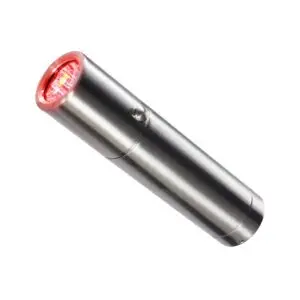
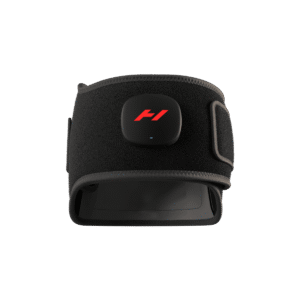

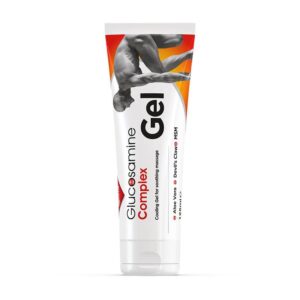


Some links are affiliate links. If you buy through them, ItHurts.com may earn a small commission at no extra cost to you.
What to try this week
When to see a doctor
Call 911 (or your local emergency number) or go to the emergency room if:
- you can't put weight on a leg after a fall, or a joint has changed shape after an injury
- you have a swollen, warm, painful calf, especially if you're also short of breath
- you have chest pain, or pain spreading to your arm, jaw or neck with sweating or breathlessness
Call your doctor the same day if:
- a joint is suddenly hot, red and swollen, especially if you have a fever or feel unwell (this can be a sign of infection or gout)
- a joint locks and won't move, or suddenly gives way
- the pain is severe and came on quickly without an injury
Book an appointment within 1 to 2 weeks if:
- your joint pain or stiffness has lasted more than a few weeks
- you're stiff for more than an hour every morning, or several joints are swollen (this could be a different type of arthritis)
- pain is stopping you sleeping, working or doing everyday things
- you're struggling with pain even though you're doing the self-care steps
- you'd like help with an exercise plan or aids for daily living
If you take medicines for your joints or anything else, don't change or stop them without talking to your doctor or pharmacist first.
Common questions
Will osteoarthritis keep getting worse?
Not necessarily. For many people it stays about the same for years, and for some it gradually improves. Staying active and strong is the best way to keep your joints working well.
Should I rest my joints to protect them?
Too much rest makes joints stiffer and muscles weaker, which can make pain worse. Short rests during a flare are fine, but regular movement is better for your joints in the long run.
Is osteoarthritis the same as rheumatoid arthritis?
No. Osteoarthritis is about the joint not keeping up with everyday repair. Rheumatoid arthritis is an immune system condition that causes inflammation, often with long-lasting morning stiffness and swelling in several joints. They're treated differently, so it's worth getting checked if you're unsure.
Does cracking or clicking mean my joints are getting worse?
Not usually. Many people's joints click and creak, with or without arthritis. Painless clicking is nothing to worry about.
Will I need a joint replacement?
Most people with osteoarthritis don't. Joint replacement is an option for some people with severe hip or knee osteoarthritis when pain and stiffness seriously affect daily life despite other treatment.
You don't have to figure this out alone
Want a clearer picture of your pain and three ideas for the week ahead? Take the free 2-minute Pain Check-Up. Nine quick taps give you your Pain Archetype, your Pain Load score and three things to try this week.
You're far from alone with creaky joints. Join the ItHurts community to swap favourite exercises, handy gadgets and encouragement with people who know what it's like.
Sources
If it Hurts we can help.
Join a space where people share real experiences, support, and understanding—without judgment.
Join the ItHurts CommunityReviewed by the ItHurts editorial team · Last reviewed 18 October 2026 · General information, not medical advice. If you are worried about your symptoms, talk to a doctor.
