


Good sleep is built during the day
It is easy to think of sleep as something that happens, or fails to happen, once your head hits the pillow. In reality, how well you sleep is shaped by many things you do from the moment you wake up: when you get light, how much you move, what you eat and drink, and how you wind down. The term for these habits is sleep hygiene, and while it will not solve every sleep problem, it is the foundation most sleep advice builds on.
This guide covers practical habits that help many people sleep better, adjustments for when pain gets in the way, and the signs that a sleep problem needs a doctor's input.
Keep a steady rhythm
Your body has an internal clock that likes regularity. Going to bed and, especially, getting up at roughly the same time every day, including weekends, helps that clock stay steady. If you have had a bad night, it is tempting to sleep in late, but keeping your wake-up time consistent usually helps you sleep better the following night.
- Choose a wake-up time you can keep most days.
- Work backward to find a bedtime that gives you enough sleep. Most adults need around seven or more hours, but individual needs vary.
- If you nap, keep it short and earlier in the afternoon, so it does not take the edge off your sleep drive at night.
Use light to your advantage
Light is the strongest signal for your body clock. Getting daylight soon after waking, for example by opening curtains, stepping outside, or having breakfast by a window, helps tell your body it is daytime. In the evening, dimming lights and reducing bright screens can help your body prepare for sleep. If you use devices at night, night-mode settings and lower brightness may help, but putting the screen away for a while before bed is often more effective.
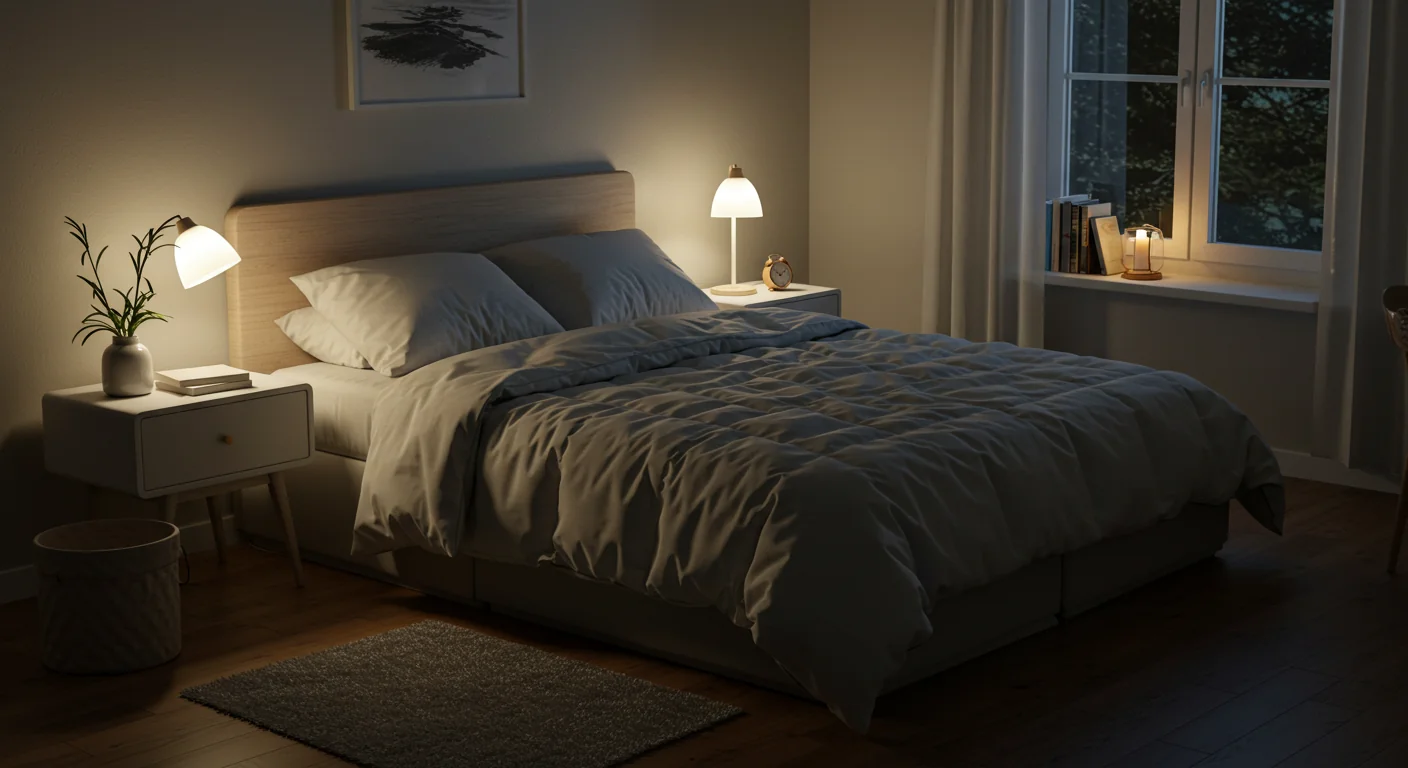
Set up a bedroom that invites sleep
- Cool: Most people sleep better in a slightly cool room.
- Dark: Blackout curtains or a comfortable eye mask can block early light or streetlights.
- Quiet: Earplugs or a fan or white noise can mask disruptive sounds.
- Comfortable: A supportive mattress and pillows suited to your sleep position make a difference, particularly if you have pain.
- For sleep: Try to keep work, bills and intense conversations out of the bedroom, so your brain links the bed with rest.
Watch caffeine, alcohol and late meals
- Caffeine can stay in the body for many hours. If sleep is a struggle, try having your last caffeinated drink by early afternoon. Remember tea, cola, energy drinks and some chocolate contain caffeine too.
- Alcohol may make you drowsy at first but tends to fragment sleep later in the night and can worsen snoring.
- Nicotine is a stimulant and can make it harder to fall and stay asleep.
- Heavy or spicy meals late in the evening can cause discomfort or reflux. A light snack is fine if you are hungry.
- Drinks before bed may lead to waking to use the bathroom, so it can help to have more fluids earlier in the day.
Move during the day
Regular physical activity is linked with better sleep for many people. It does not need to be intense: a daily walk, gentle cycling, swimming or stretching all count. Some people find vigorous exercise close to bedtime keeps them alert, so finishing harder workouts a few hours before bed may help.
Create a wind-down routine
A predictable routine in the last half hour to hour before bed signals that the day is ending. Ideas many people like:
- A warm shower or bath
- Reading a paper book or listening to calm audio
- Gentle stretching or slow breathing
- Writing down tomorrow's to-do list or worries, so they are out of your head
- Dimming lights around the home

If you cannot sleep
Lying awake and watching the clock can create a cycle of frustration. If you have been awake for what feels like a long time, many sleep specialists suggest getting up, going to another dim room, and doing something quiet and relaxing until you feel sleepy, then returning to bed. Turning the clock away from view can also reduce anxiety about the time.
When pain keeps you awake
Pain and sleep affect each other in both directions: pain disrupts sleep, and poor sleep can make pain feel worse. Some adjustments that help many people:
- Use pillows to support painful areas, such as between the knees for hip or back pain, or under the arm for shoulder pain.
- Try warmth, gentle stretching or relaxation exercises before bed if they ease your pain.
- Talk to your doctor about the timing of any pain management plan, as it may help to have relief at night.
- Consider whether your mattress and pillows still offer good support.
- Pace your activities during the day, since overdoing it can lead to more pain at night.
When to see a doctor
Talk to a doctor if sleep problems last more than a few weeks or affect your daytime life, or if you notice:
- Loud snoring, gasping or pauses in breathing during sleep, which can be signs of sleep apnea
- Feeling very sleepy during the day, or falling asleep while driving
- An uncomfortable urge to move your legs in the evening
- Acting out dreams, or unusual behaviors during sleep
- Low mood, anxiety or worry that keeps you awake
For long-term insomnia, cognitive behavioral therapy for insomnia (CBT-I) is a well-established approach that your doctor may recommend. If low mood comes with thoughts of self-harm, call or text 988 in the US, or your local emergency number elsewhere.
Summing up
Better sleep usually comes from a collection of small habits: a steady wake-up time, daylight in the morning, a cool and dark bedroom, careful use of caffeine and alcohol, regular movement, and a calming wind-down routine. If pain or another health problem is keeping you awake, or sleep problems persist, a doctor can help find the cause.
If pain is part of what disturbs your sleep, the free Chronic Pain Check-Up can help you describe it before your next appointment.
Sources
- NHS: How to fall asleep faster and sleep better
- NHS: Insomnia
- MedlinePlus (US National Library of Medicine): Healthy Sleep
Rest Is Easier With Support
Join people swapping sleep routines and coping tips in our sleep and fatigue groups.
Explore Sleep GroupsReviewed by the ItHurts editorial team · Last reviewed 18 October 2026 · General information, not medical advice. If you are worried about your symptoms, talk to a doctor.