

Build Strength and Flexibility With Exercise: A Gentle Start
If the word "exercise" makes you picture packed gyms, heavy weights and people in matching workout gear, you're not alone. For many people, especially those living with pain, stiffness or a past injury, that picture is more off-putting than motivating. The good news is that building strength and flexibility doesn't have to look like that. It can start at home, in short bursts, with movements that suit your body as it is today.
This guide covers why strength and flexibility matter, how to begin safely, practical ways to fit movement into everyday life, and how to keep going when motivation dips.
Why strength and flexibility both matter
Strength helps you carry groceries, climb stairs, get up from a low chair and recover your balance if you trip. Stronger muscles also support and protect joints, which many people with back, hip or knee pain find helpful. Strength training is also widely recommended for keeping bones healthy as we age.
Flexibility is about how freely your joints and muscles move. Keeping a comfortable range of motion makes everyday tasks easier, such as reaching a high shelf, tying shoes, or turning to check your blind spot while driving.
Most health guidelines for adults suggest regular aerobic activity plus muscle-strengthening activities on at least two days a week, along with balance and flexibility work, especially for older adults. If that sounds like a lot right now, remember that some movement is better than none, and you can build up gradually.
Before you begin
Check with your doctor or a physical therapist first if you:
- Have a heart or lung condition, high blood pressure, diabetes or another long-term health condition
- Are recovering from surgery, a fracture or a recent injury
- Are pregnant or recently gave birth
- Have osteoporosis or have had a fracture from a minor fall
- Get chest pain, dizziness or unusual breathlessness with activity
A physical therapist can be especially helpful if you live with pain. They can suggest exercises suited to your condition and show you how to progress safely.
A simple starting framework
Strength (two or three days a week)
- Sit-to-stand: standing up from a sturdy chair and sitting back down slowly, using your hands if needed
- Wall push-ups: hands on a wall at shoulder height, bending and straightening the elbows
- Bridges: lying on your back with knees bent, gently lifting the hips
- Heel raises: rising onto your toes while holding a counter for balance
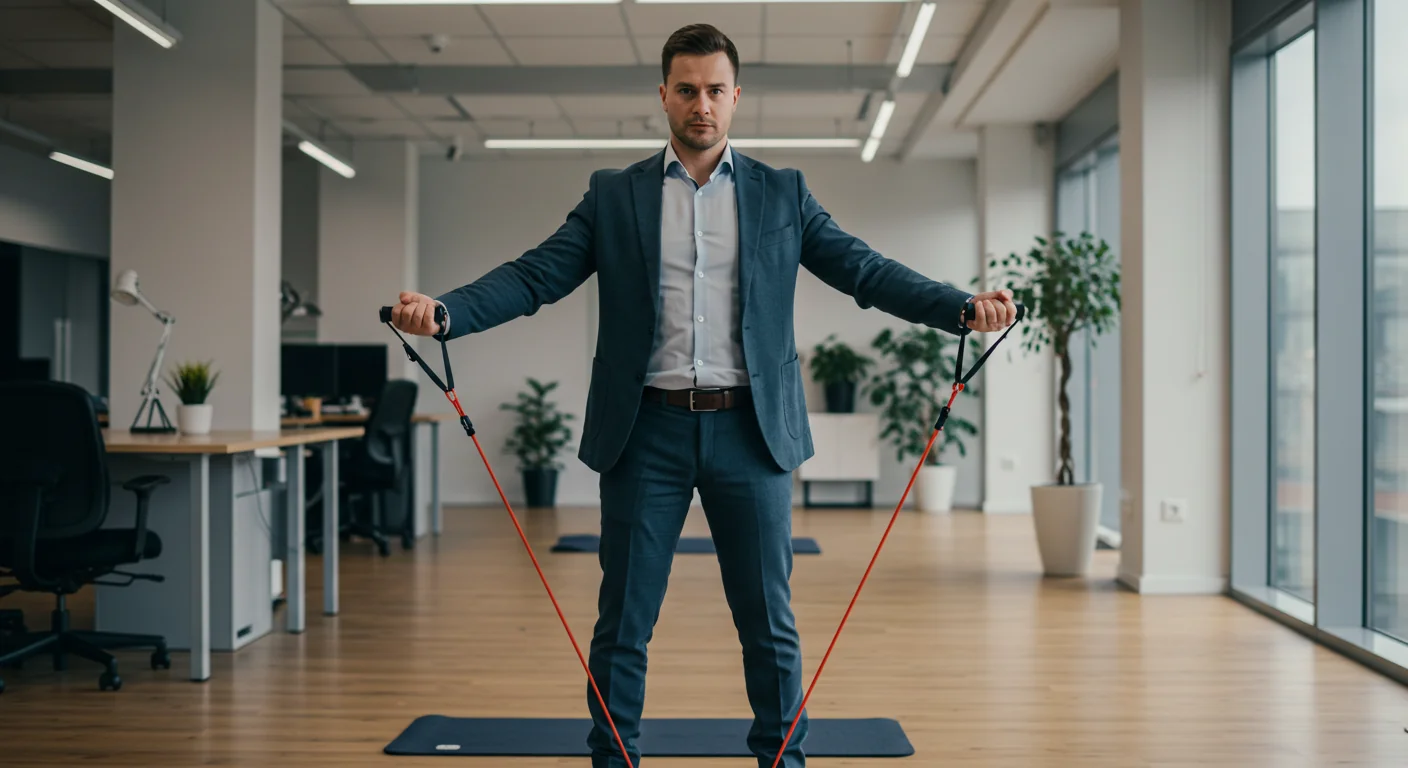
- Resistance band rows: pulling a band toward you while seated or standing
Start with one set of 8 to 12 repetitions at a comfortable effort. Over the weeks, add a second set, more repetitions, or a slightly stronger band.
Flexibility (most days)
- Gentle neck turns and shoulder rolls
- Calf stretch against a wall
- Seated hamstring stretch with one leg straight
- Knee-to-chest stretch lying down
- Gentle chest opener with hands clasped behind the back
Hold stretches for about 20 to 30 seconds, breathe normally, and stop at a feeling of mild tension, never sharp pain. Stretching is usually most comfortable when muscles are warm, such as after a short walk or a warm shower.
Fitting movement into everyday life
- Keep a resistance band handy at your desk or by the sofa for a few quick sets
- Use TV ad breaks or the end of an episode to stand, stretch or do some heel raises
- Take the stairs when you can, holding the rail if needed
- Walk or cycle short trips instead of driving, if it's safe and practical
- Try desk movements such as seated leg raises, shoulder blade squeezes and ankle circles
- Stand up every 30 to 60 minutes during long periods of sitting

Exercising when you live with pain
Many people with long-term pain worry that exercise will make things worse. It's a fair concern, and it's why starting small matters. Some useful principles:
- Start below your limit. Choose a level you can manage on a bad day, not just a good one.
- Expect some discomfort. Mild aching during or after exercise that settles within a day is common as your body adapts.
- Watch for warning signs. Sharp, shooting or steadily increasing pain, or pain that is still worse the next day, is a cue to scale back.
- Pace rather than push. Doing a little on most days tends to work better than a lot on one day and nothing for the rest of the week.
- Consider water-based exercise. Many people with joint pain find movement easier in a warm pool.
Setting realistic goals and tracking progress
Clear, small goals keep you moving. Instead of "get fit," try "do sit-to-stands three times this week" or "walk ten minutes after lunch on weekdays." Write down what you did and how you felt. Over a few weeks you may notice you can do more repetitions, hold stretches longer, or climb stairs with less effort. These are real gains worth celebrating.
Staying motivated
- Mix things up with different exercises, walks, dancing or gentle yoga
- Exercise with a friend, a class or an online group for accountability
- Schedule movement into your calendar like any other appointment
- Focus on how you feel, such as sleep, mood and ease of movement, not just numbers
- Be kind to yourself after missed days, and simply start again
When to stop and get checked
Stop exercising and seek urgent care, or call your local emergency number, if you have chest pain or pressure, severe shortness of breath, fainting, or sudden weakness or numbness on one side. See a doctor if a new pain doesn't settle after a few days, a joint becomes swollen, or you notice new numbness or tingling.
Final word
Building strength and flexibility is a gradual process, and it can start with a chair, a wall and a few minutes a day. Begin gently, progress slowly, listen to your body, and get advice if you have health conditions or ongoing pain.
Find your movement community
Check in with the free ItHurts Chronic Pain Check-Up, and find encouragement in our wellness, rehab and lifestyle groups.
This article is general information, not medical advice. If you're worried about your symptoms, talk to a doctor.
Reviewed by the ItHurts editorial team · Last reviewed 18 October 2026 · General information, not medical advice. If you are worried about your symptoms, talk to a doctor.
Picks to keep you moving
Hand-picked by ItHurts · an everyday option, a best overall and a clinical-grade upgrade
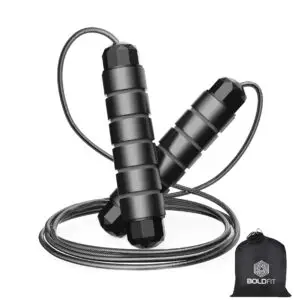
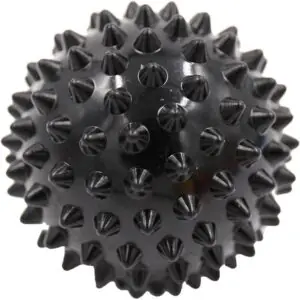
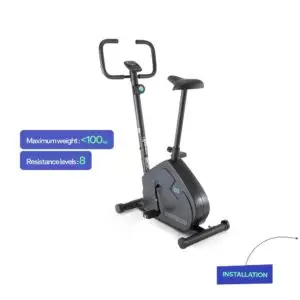

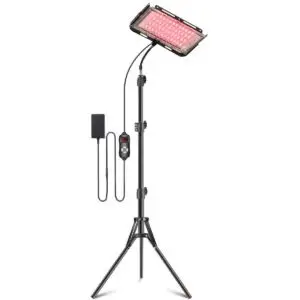
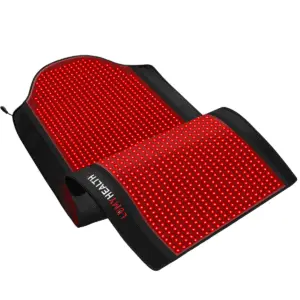

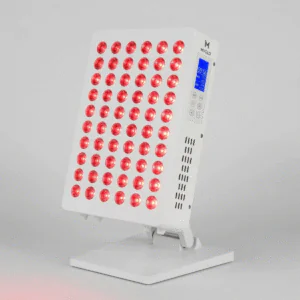
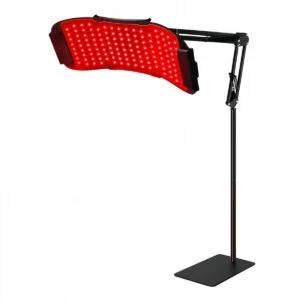
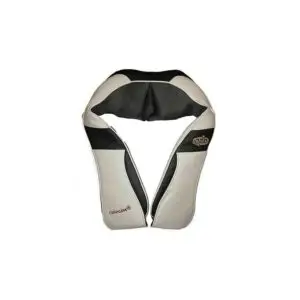
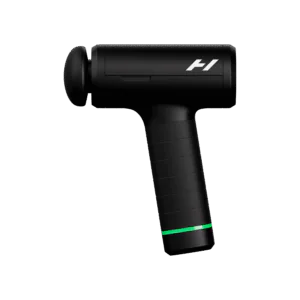
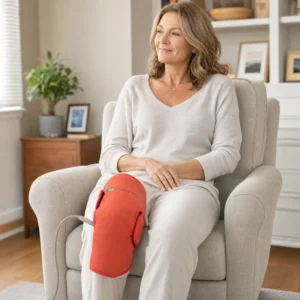
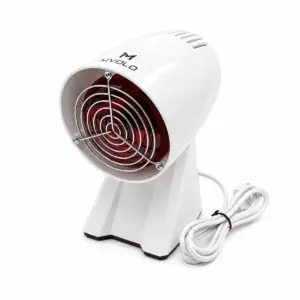

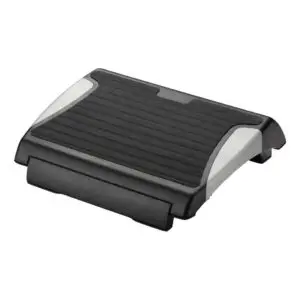

Some links are affiliate links. If you buy through them, ItHurts.com may earn a small commission at no extra cost to you.