

Mindful Routines to Ease Pain and Stress: A Practical Start
What if the goal wasn't to make pain or stress vanish, but to change how much room they take up in your day? That is the quiet promise of mindfulness. It isn't about emptying your mind or sitting cross-legged for an hour. It is about practicing, in small and repeatable ways, how to notice what's happening in your body and mind without being swept away by it.
Many people living with chronic pain or ongoing stress find that a short daily mindful routine helps them feel calmer, sleep a little better, and respond to flare-ups with less panic. Mindfulness-based approaches are now commonly offered alongside medical care in pain clinics. They work best as part of a wider plan, not as a replacement for medical advice.
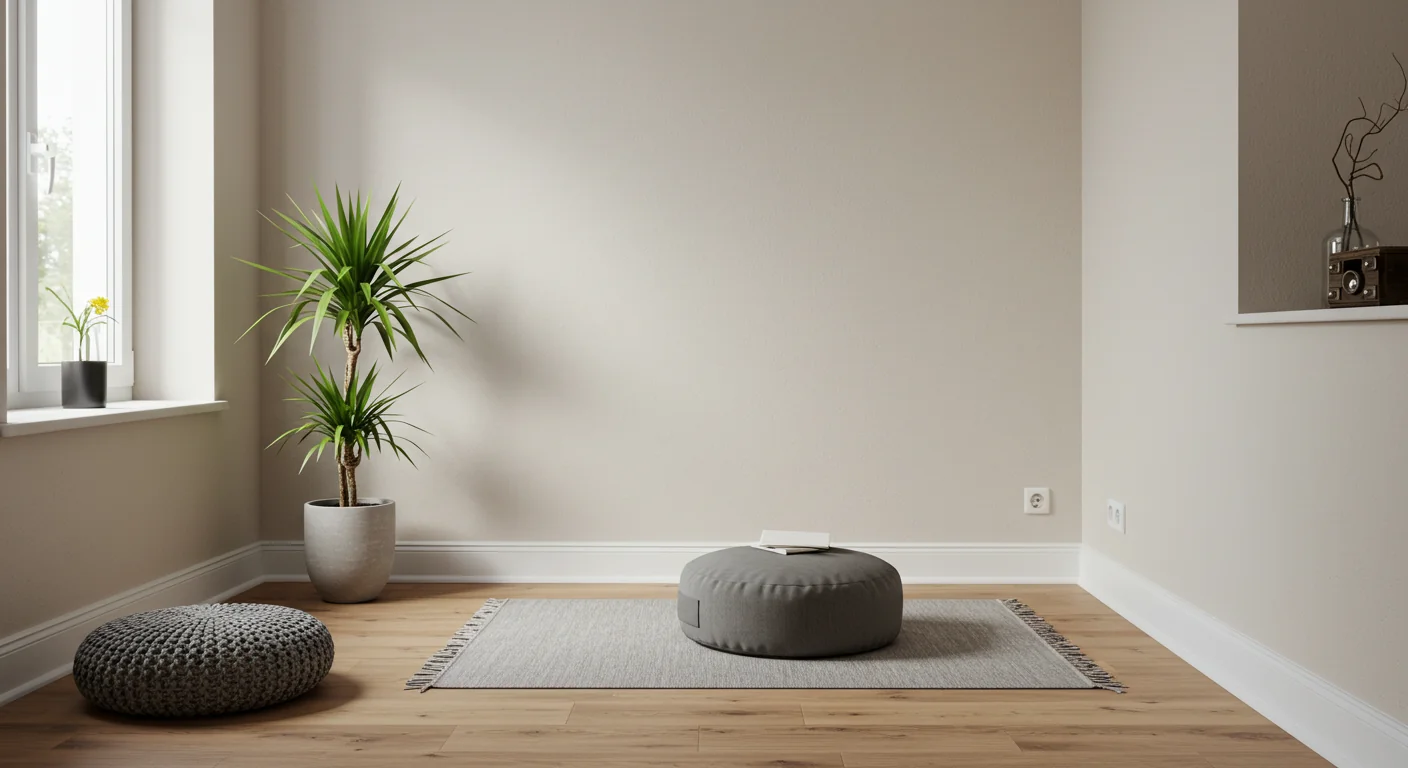
Why mindfulness can help with pain
Pain is not only a signal from the body. How much it bothers us is also shaped by attention, mood, fear and stress. When pain hits, it's natural to tense up, brace, and worry about what it means and how long it will last. That tension and worry can make the whole experience feel bigger.
Mindfulness practices aim to loosen that cycle. By paying attention to sensations with curiosity rather than alarm, many people find they can separate the raw sensation from the layer of distress on top of it. Breathing and relaxation can also ease muscle tension and calm the body's stress response. People often describe the result not as "no pain," but as "pain that bothers me less."
Start smaller than you think
The most common reason mindful routines fail is that people start too big. Ten minutes a day that actually happens is better than forty minutes you skip.
- Begin with three to five minutes. Set a gentle timer and focus on your breath. When your mind wanders, which it will, notice where it went and bring it back. That returning is the practice.
- Attach it to something you already do. After your morning coffee, after brushing your teeth, or when you first sit down at your desk.
- Choose a comfortable position. Sitting, lying down or standing are all fine. With pain, comfort comes first; adjust or move whenever you need to.
Four short practices to try
- Slow breathing. Breathe in gently through your nose for a count of about four, then out a little longer, for a count of about six. Repeat for a few minutes. Longer out-breaths tend to help the body settle.
- Body scan. Lying or sitting, move your attention slowly from your toes to the top of your head, noticing sensations without trying to change them. If you reach a painful area, try describing it to yourself in neutral words: warm, tight, pulsing, sharp. Then move on.
- Three-breath reset. In a stressful moment, pause, take three slow breaths, and notice your feet on the floor. It takes less than a minute and can be done anywhere.
- Five senses check-in. Notice five things you can see, four you can feel, three you can hear, two you can smell and one you can taste. Useful when stress or pain pulls your mind into worry.
Bringing mindfulness into everyday life
Formal practice is only one part. You can practice awareness during ordinary activities, too:
- Mindful walking. Walk a little more slowly than usual and notice the contact of each foot with the ground, the rhythm of your breath and the sounds around you.
- Mindful eating. For the first few bites of a meal, put down your phone and pay attention to the taste, texture and smell of your food.
- Gentle mindful movement. Slow stretching, chair yoga or tai chi combine movement with attention, and many people with pain find them easier to start than vigorous exercise. Check with your clinician if you have a specific injury or condition.
- Transitions. Use moments like waiting for the kettle, sitting at a red light or washing your hands as tiny reminders to breathe and notice.
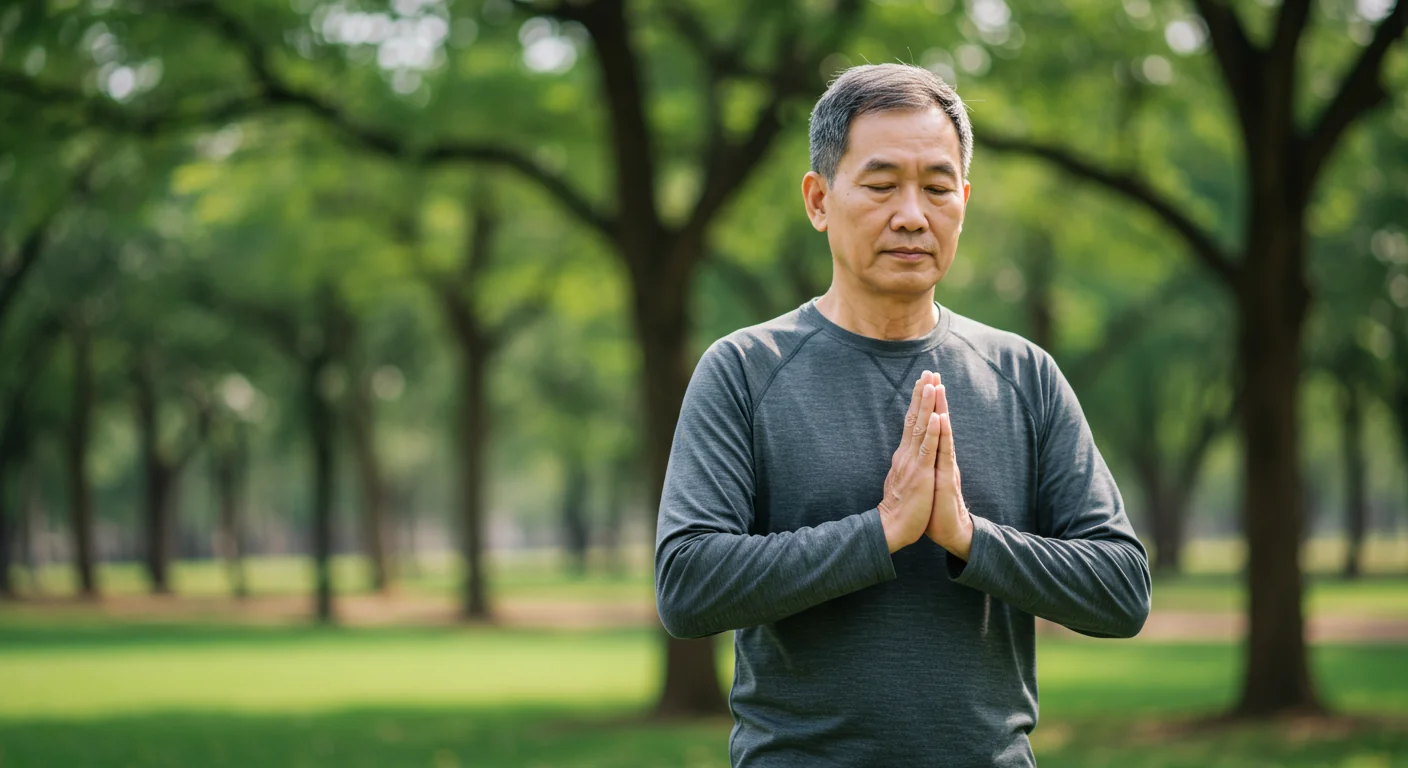
Setting up for success
- Pick a regular time and place. A quiet corner with a supportive chair or cushion can become a cue that it's time to pause.
- Use guidance if silence is hard. Many free and paid apps, podcasts and audio recordings offer short guided practices, including ones designed for chronic pain and sleep.
- Keep a simple log. A line or two about how you felt before and after can show you which practices help most.
- Expect some days to feel useless. Mindfulness is a skill. Restless, distracted sessions still count.
- Be kind to yourself. Missing a day is not failing. Just start again.
A note of caution
Mindfulness is generally gentle, but some people, especially those with a history of trauma, find that focusing inward can bring up difficult feelings. If a practice makes you feel worse, stop, open your eyes, and focus on something external, such as the room around you. A therapist trained in mindfulness-based approaches can help you adapt practices safely.
When stress or pain needs more support
Talk to a doctor if pain is new, severe or changing, or if stress, anxiety or low mood are making it hard to work, sleep or enjoy life. Structured programs such as mindfulness-based stress reduction, or psychological therapies for pain, may be available through your health system. If you ever feel overwhelmed to the point of thinking about harming yourself, in the US you can call or text 988 to reach the 988 Suicide & Crisis Lifeline at any time; elsewhere, contact your local emergency number.
Where to start tomorrow
Choose one practice from this article, one time of day, and three minutes. Do it for a week before adding anything else. Small, steady steps tend to stick, and over time many people find they meet pain and stress with a little more space and a little less fear.
If you'd like to understand your pain better alongside this work, try our free Chronic Pain Check-Up. For encouragement from others building calmer routines, visit our emotional and mental health groups.
This article is general information, not medical advice. If you're worried about your symptoms, talk to a doctor.
Reviewed by the ItHurts editorial team · Last reviewed 18 October 2026 · General information, not medical advice. If you are worried about your symptoms, talk to a doctor.
Picks to help you unwind
Hand-picked by ItHurts · an everyday option, a best overall and a clinical-grade upgrade





Some links are affiliate links. If you buy through them, ItHurts.com may earn a small commission at no extra cost to you.