
Description
It’s nine at night. Your back has been loud since mid-afternoon, the heat pad has gone cold again, and the only position that feels halfway decent is flat on the floor. If that’s a familiar ending to your day, a full-length light mat is one of the things people reach for next.
What lying on it is actually like
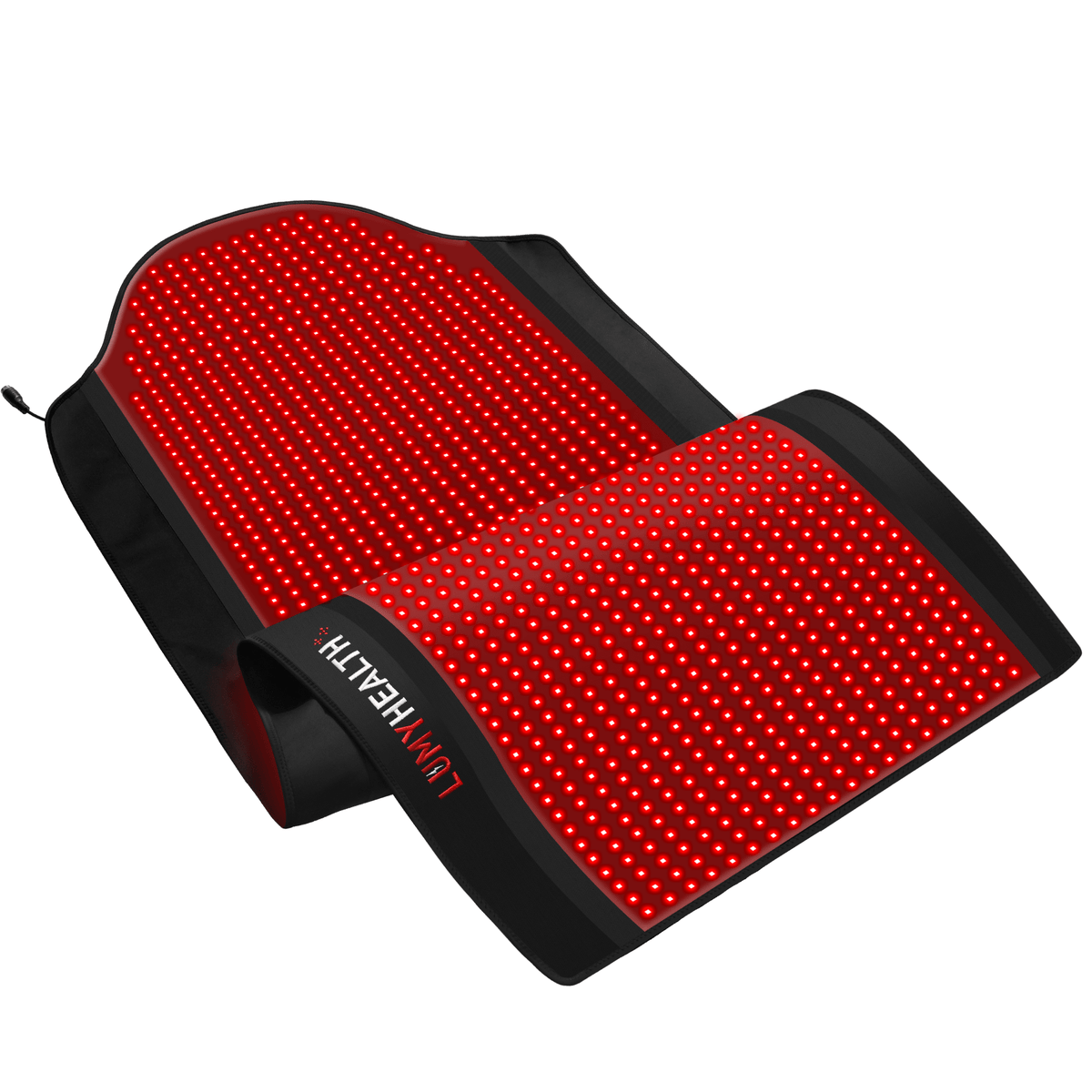
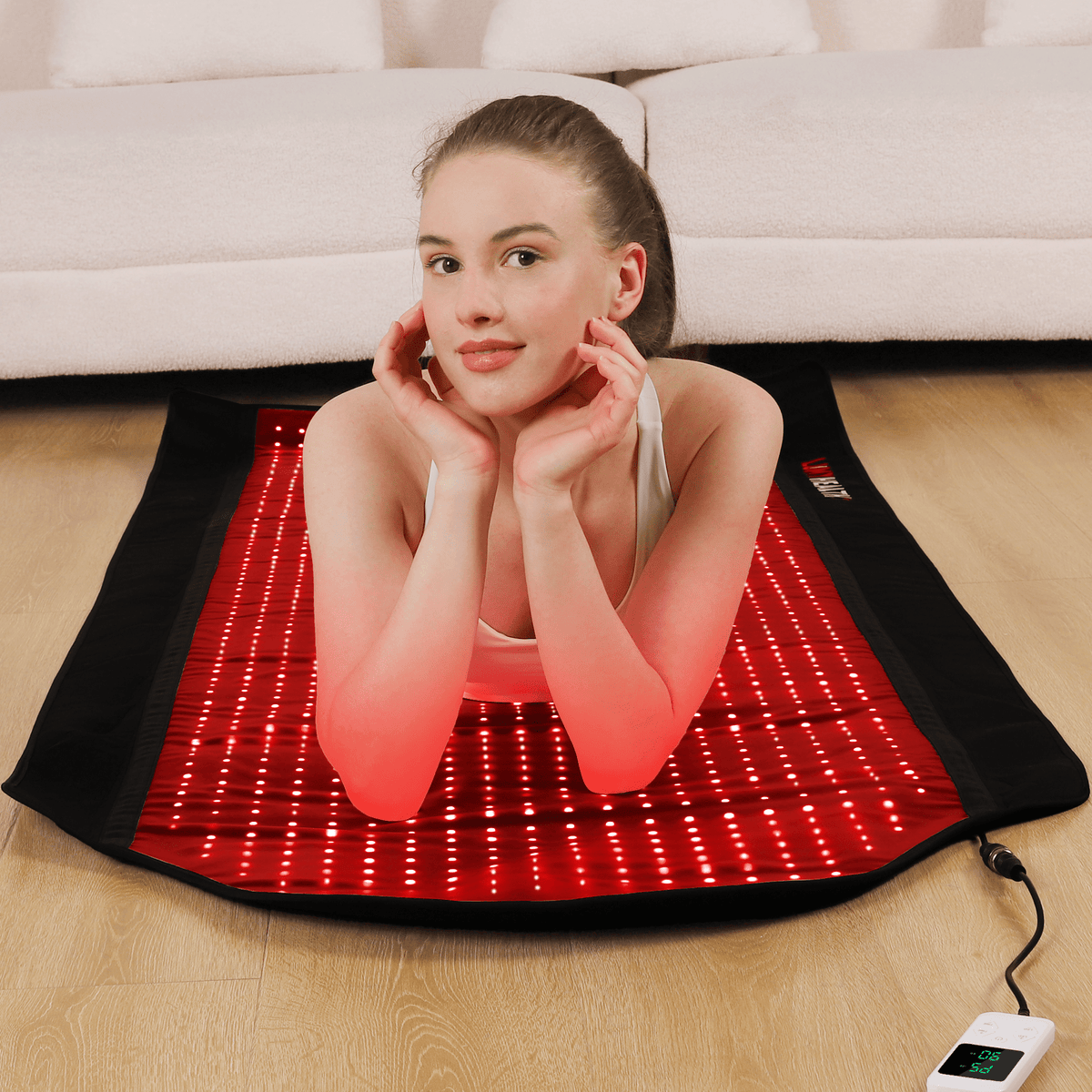
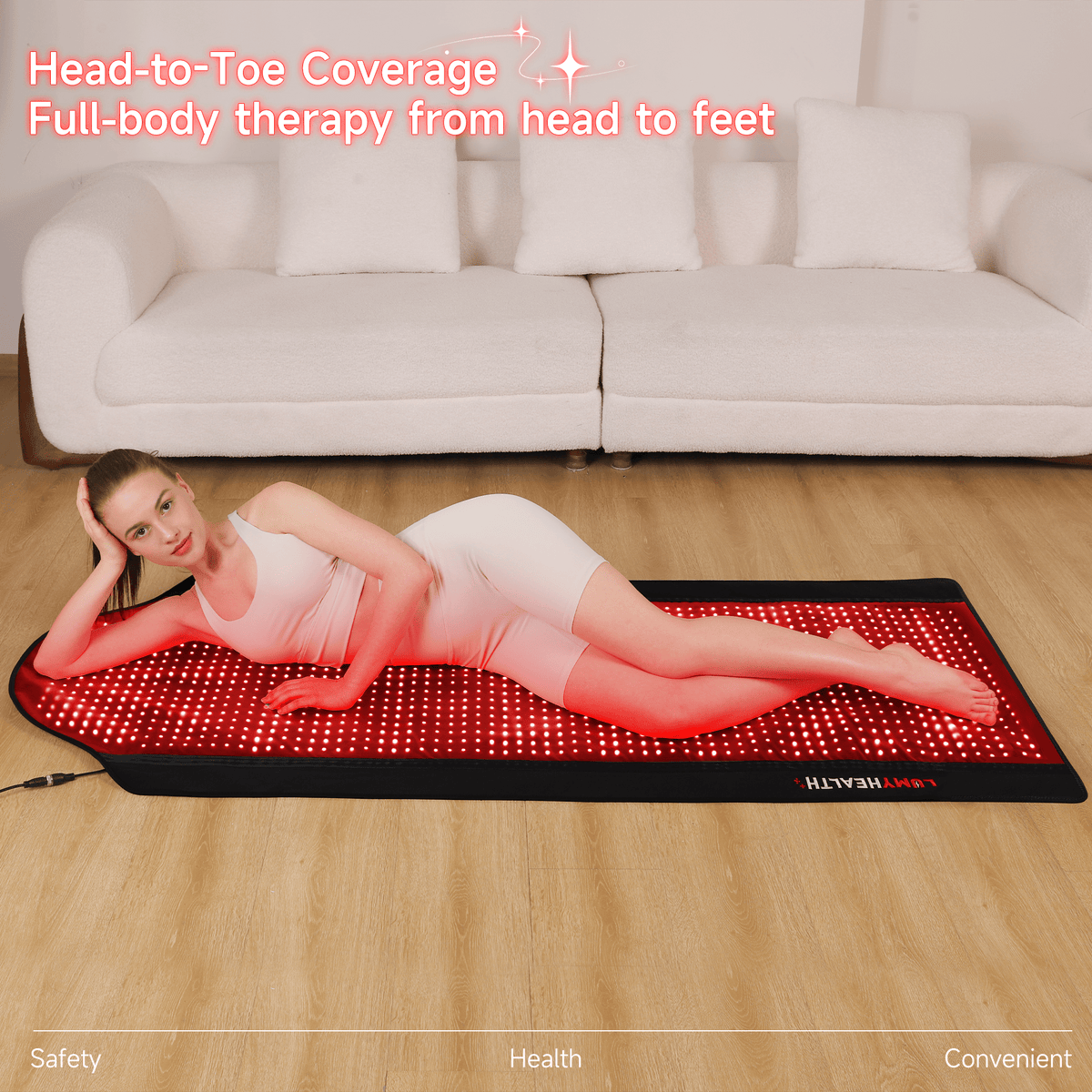
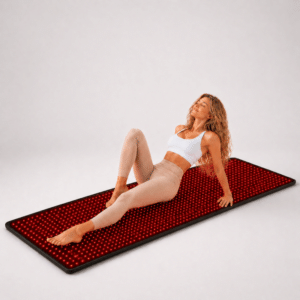
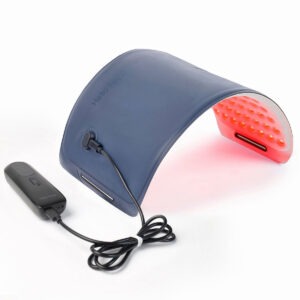
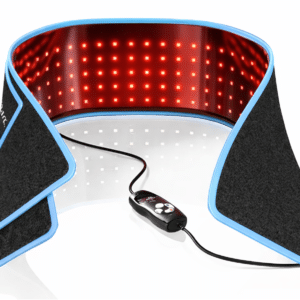
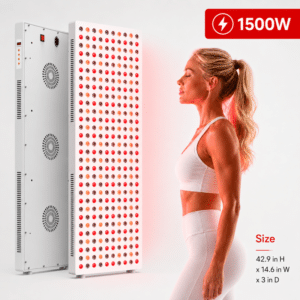
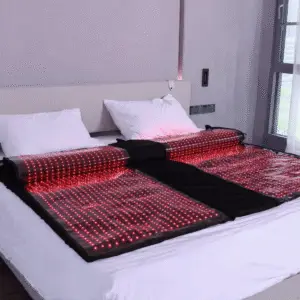
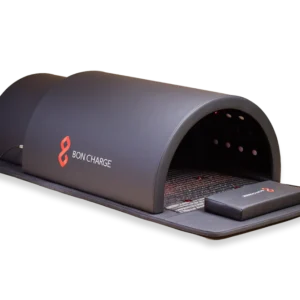
The mat is 73 × 33 inches, so most of you fits on it at once — shoulders, mid-back, hips, legs. It’s built from neoprene fabric and leather, flexible enough to wrap or curve around a knee or shoulder rather than only lying flat, and it weighs about 3.8 kg, so it rolls up but it isn’t feather-light.
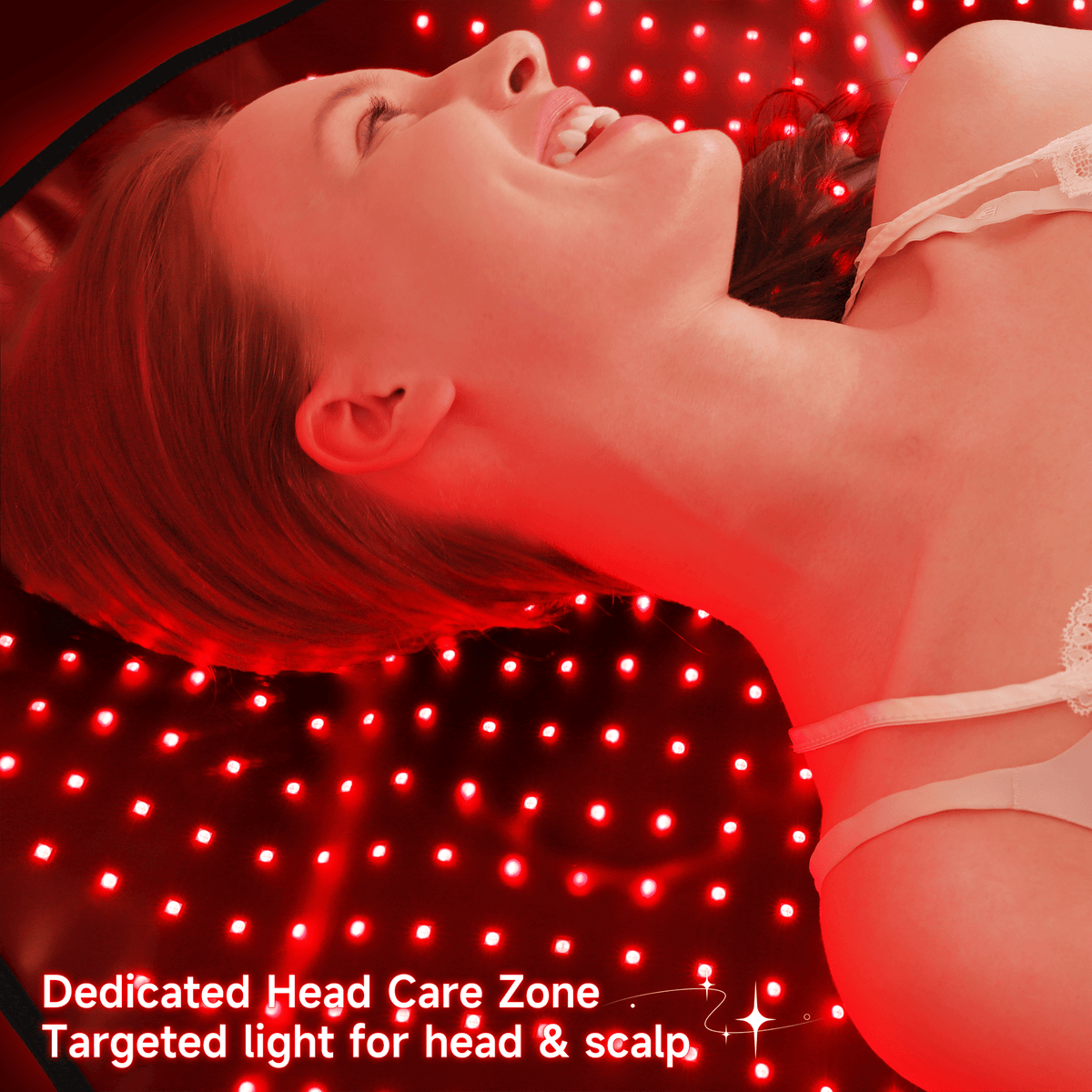
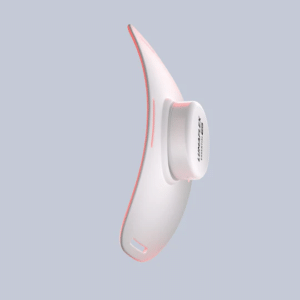
The upgraded part is the head-and-neck zone: a 2.8-inch rise that supports your neck while the light runs. Flip the mat over and that same rise sits under your lower back instead. Small detail, but it’s the reason many people pick this one over a plain rectangle.
The settings, in plain terms
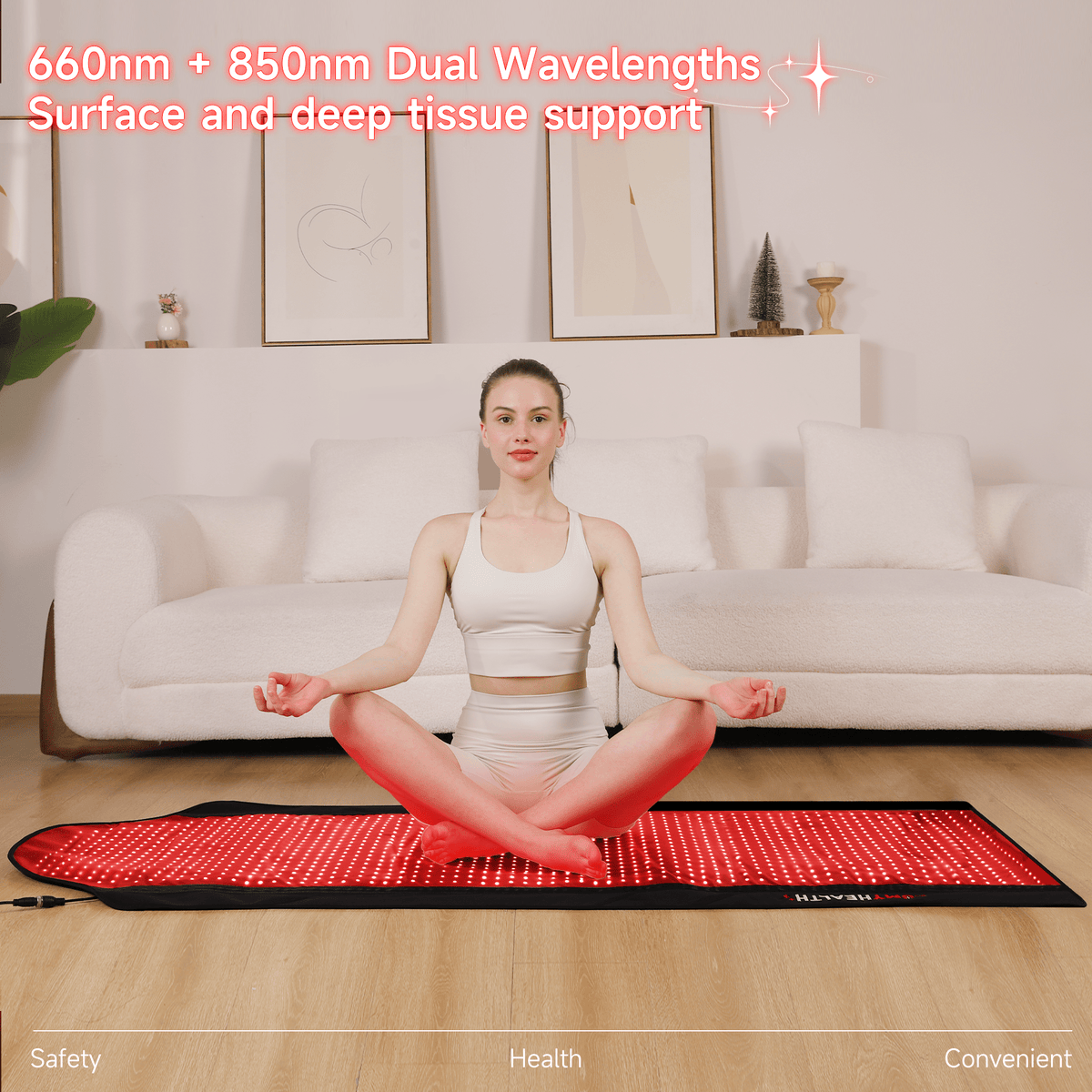
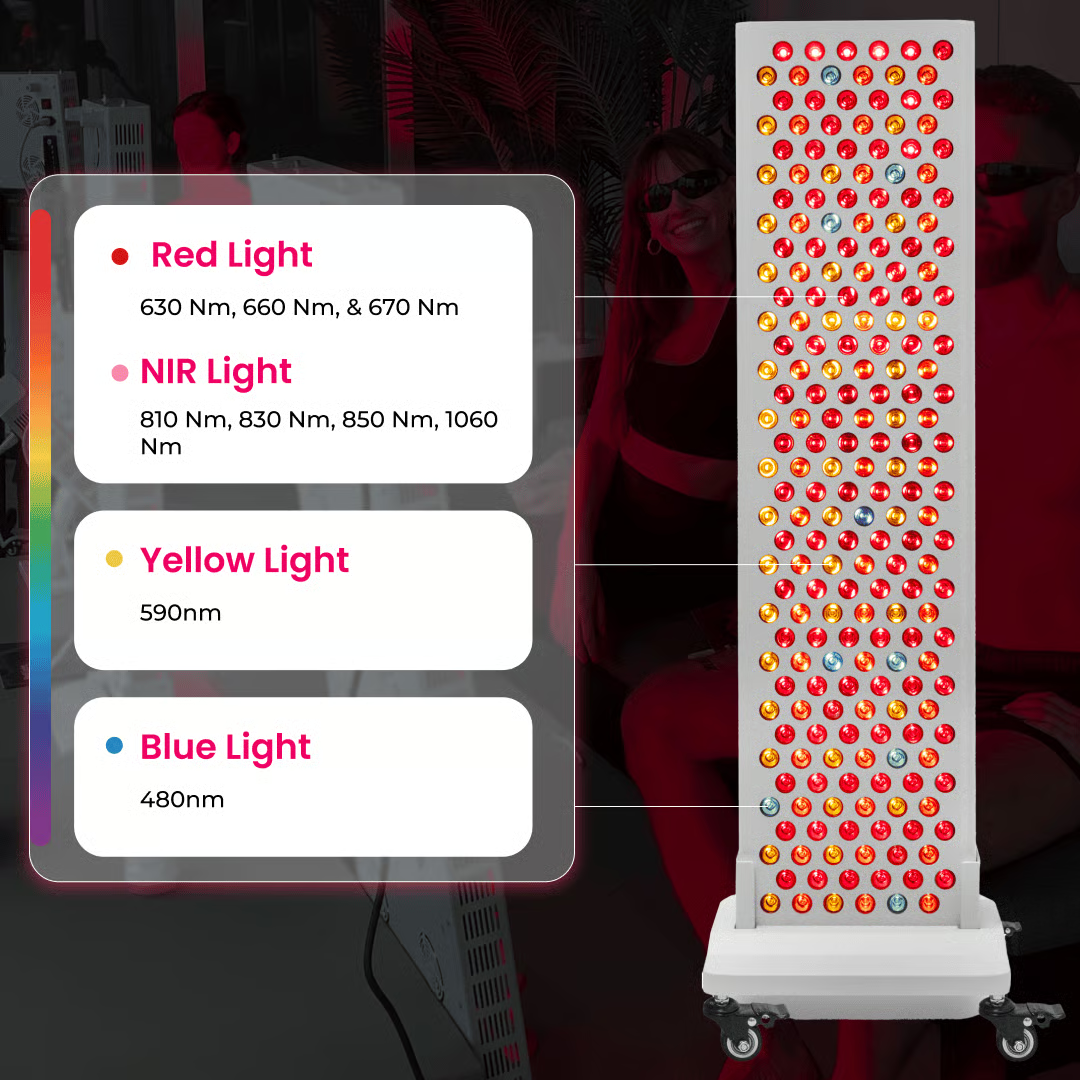
Two wavelengths run together: 660 nm red and 850 nm near-infrared, from 1436 medical-grade diodes with three chips each. Irradiance is listed at 85–120 mW/cm². The controller gives you three light modes — steady, 10 Hz pulse and 40 Hz pulse — and a timer you set anywhere from 10 to 90 minutes, so you’re not watching the clock. LUMYHEALTH suggests starting short, around 15–30 minutes, three or four times a week, and building up as it suits you.
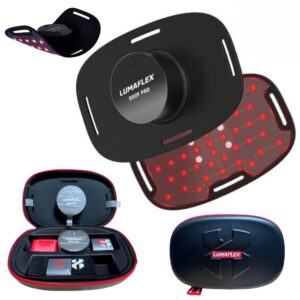
In the box: the mat, the function controller, a power adapter, a power cord and a pair of goggles. It plugs into the wall — there’s no battery, so you’ll want an outlet near wherever you lie down. Choices include the 1436-LED mat on its own, the mat with a 4D mask, the mat with a 108-LED hat, or a 2636-LED bag with top and bottom panels.
Before you plug it in
Wear the goggles. Clean the mat with a damp cloth only, never submerge it, and let it dry fully before rolling it away. LUMYHEALTH says red light is generally well tolerated, but that pregnant women and children should not use it without speaking to a healthcare professional first — and that’s worth doing anyway if you take photosensitizing medication or have a skin or eye condition.
Being straight about it
This is a comfort tool. Some people use it for everyday soreness, stiff joints and that heavy, tired feeling after a long day standing; others feel very little. It won’t fix what’s causing the pain. Pain that’s new, severe, follows an injury, or comes with numbness, weakness or fever needs a doctor, not a light session.
If you want to make sense of your own pattern first, the free Pain Check-Up is a good place to start, and our back and neck pain support groups are right here when you’d rather talk to people who get it.
This is a paid/affiliate link — ItHurts.com may earn a commission if you make a purchase, at no additional cost to you.

Reviews
There are no reviews yet.