
 Written by
Tennis Elbow: What It Is, What Helps and When to Get Help
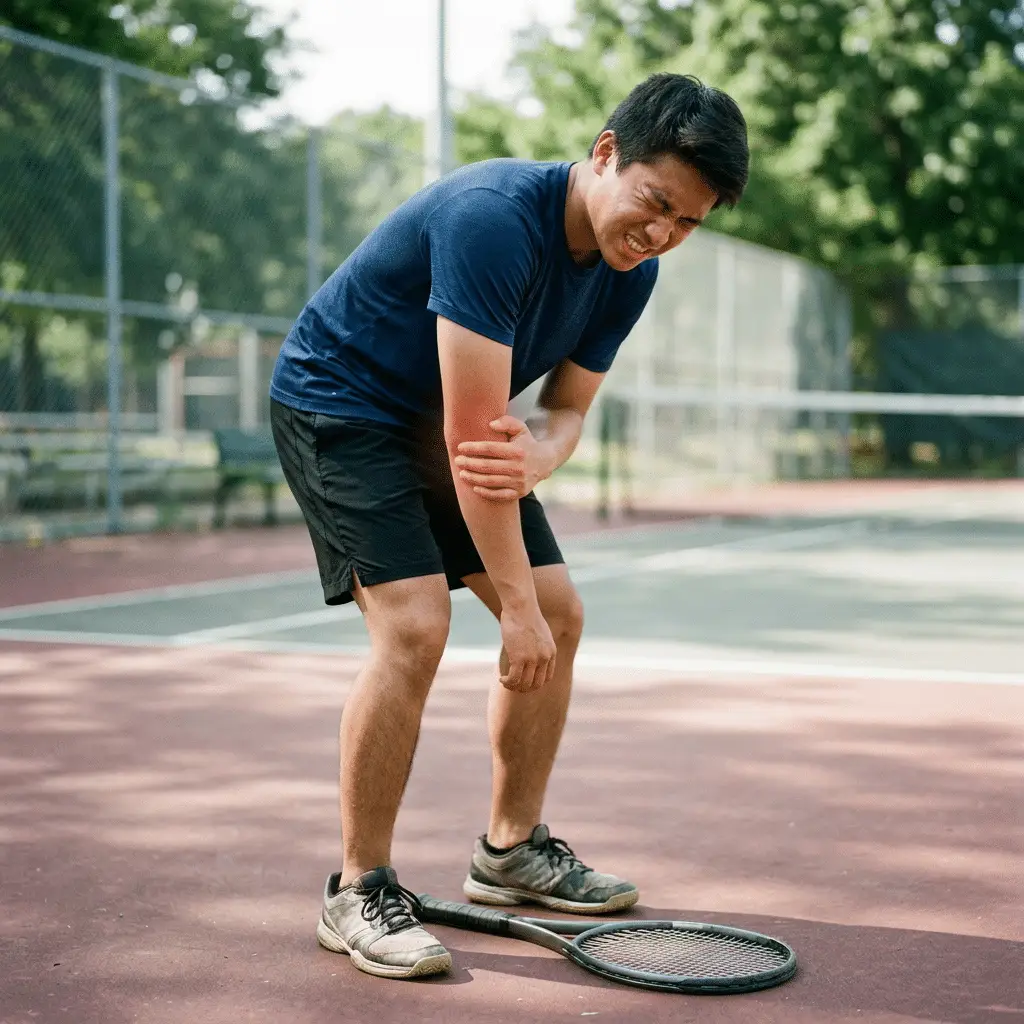
Opening a jar. Carrying a grocery bag. Shaking someone's hand. With tennis elbow, ordinary jobs that use your grip can send a sharp ache through the outside of your elbow. Despite the name, most people who get it have never played tennis.
Tennis elbow usually gets better on its own, although it can take months. This guide explains what it is, what usually helps it settle, and the signs that mean you should get your elbow checked. It can't tell you what is causing your own elbow pain. Only someone who examines you can do that.
What tennis elbow is and how it feels
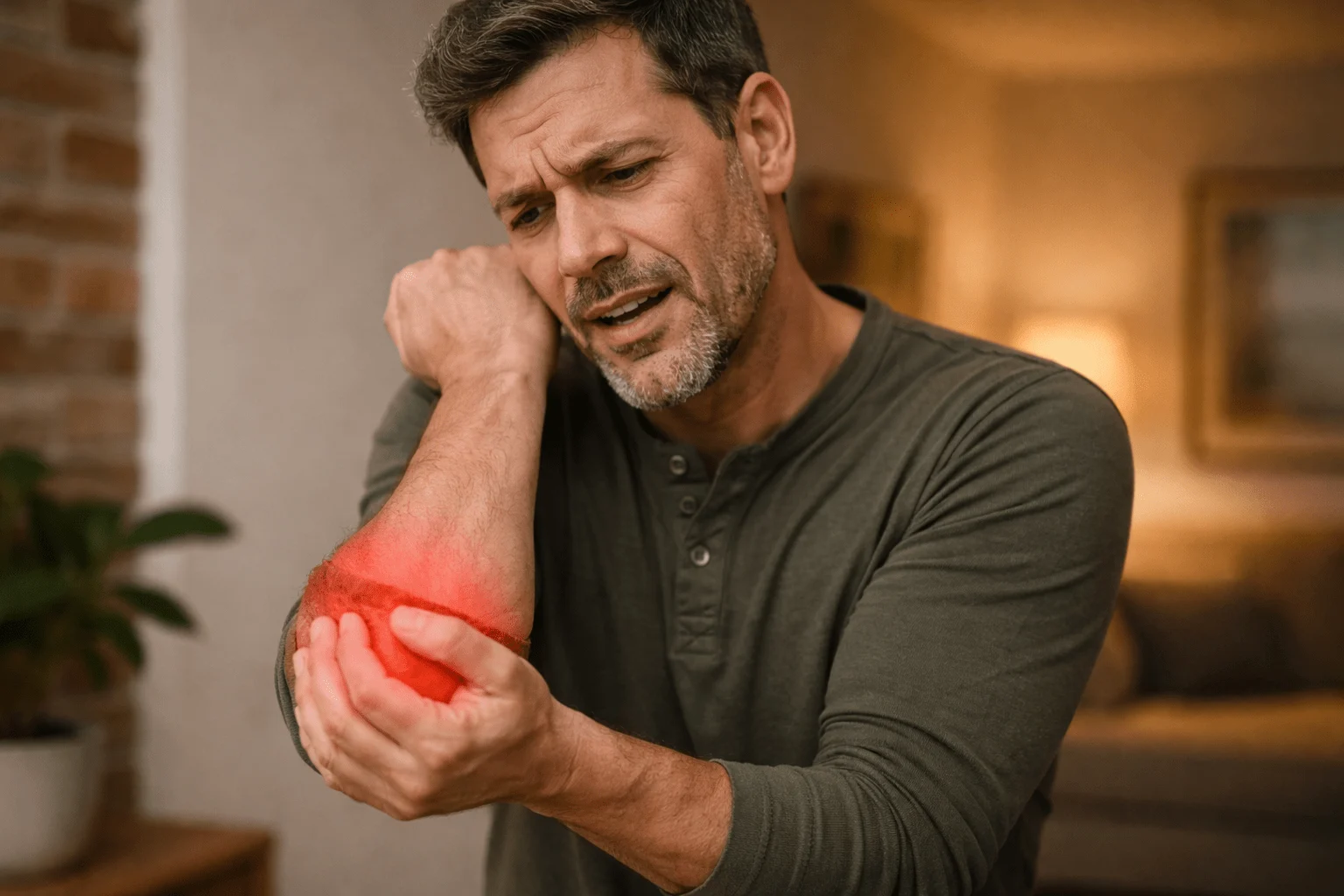
Tennis elbow (doctors call it lateral epicondylitis or lateral elbow tendinopathy) is pain where the forearm muscles that lift your wrist and fingers attach to the bony bump on the outside of your elbow. When those tendons are overloaded again and again, they become sore and irritated.
Tennis elbow can feel like:
- pain or burning on the outside of the elbow, sometimes spreading down the forearm towards the wrist
- pain when you grip, lift, twist or squeeze, for example turning a door handle, opening a jar or lifting a full kettle
- pain when you straighten your arm fully or bend your wrist back
- a weaker grip, so you drop things more easily
- stiffness in the elbow, especially in the morning
Pain on the inside of the elbow is a similar problem called golfer's elbow. Much of the advice below helps both.
Common causes
Tennis elbow is usually caused by repeating the same arm and wrist movements, especially gripping and twisting, more than the tendons are used to. Common triggers include:
- jobs and hobbies with repeated gripping or twisting, such as using screwdrivers or other hand tools, painting, decorating, gardening, cooking or carrying heavy bags
- racquet sports, especially with a grip that's the wrong size or a technique that strains the wrist
- long hours at a keyboard and mouse with the wrist bent back
- a sudden increase in a gripping activity, like a weekend of DIY
- a direct knock to the outside of the elbow (less common)
It's most common between the ages of about 30 and 50. Sometimes there's no obvious cause.
What usually helps
Ease off the movements that hurt, without stopping using your arm. Complete rest isn't needed and can make the arm weaker. Cut down on the gripping or twisting jobs that bring the pain on, and keep doing the things that don't.
Change how you grip and lift. Lift with your palm facing up, keep objects close to your body, use both hands, and choose tools and pens with thicker, softer handles so you don't have to squeeze as hard.
Use a cold pack. A cold pack or bag of frozen peas wrapped in a towel, held on the sore spot for up to 20 minutes a few times a day, can ease the pain, especially after activity.
Try an elbow strap. Some people find a forearm strap (a counterforce brace), worn just below the elbow, eases pain during activities. It doesn't suit everyone.
Strengthen the forearm gradually. Exercises that slowly load the forearm muscles are one of the main treatments. A physical therapist can show you which ones to do and how to build them up.
Ask about pain relief. If you need help with the pain so you can keep using your arm, ask a pharmacist or your doctor what's right for you, including anti-inflammatory gels.
Know the other options. If the pain doesn't settle, a doctor may talk to you about other treatments. Steroid injections can ease pain for a short time but don't tend to help in the long run. Surgery is rarely needed: most people get better without it.
Relief picks for tennis elbow
Hand-picked by ItHurts · an everyday option, a best overall and a clinical-grade upgrade
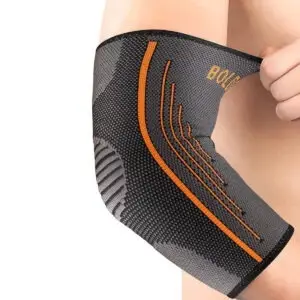
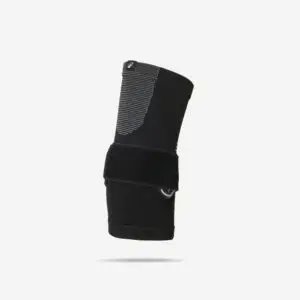
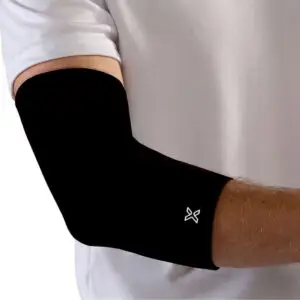
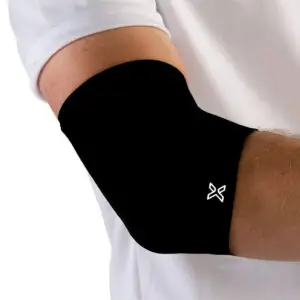
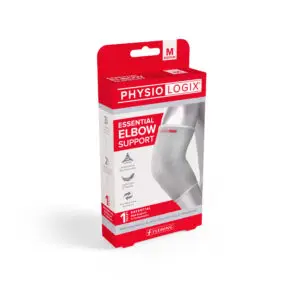
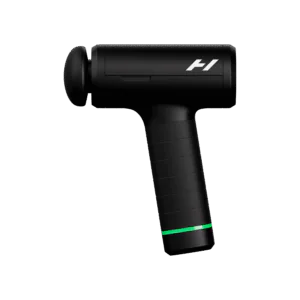
Some links are affiliate links. If you buy through them, ItHurts.com may earn a small commission at no extra cost to you.
What to try this week
When to see a doctor
Call 911 (or your local emergency number) or go to the emergency room if:
- your elbow looks out of shape or you can't move it after a fall or injury
- you have severe pain after an injury and you heard a snap or crack
- your hand or fingers are cold, pale, numb or tingling after an elbow injury
Call your doctor the same day, or get urgent care, if:
- your elbow is red, hot and swollen
- you have elbow pain and feel generally unwell, with a high temperature or chills
Book an appointment within 1 to 2 weeks if:
- the pain hasn't improved after 2 weeks of looking after it at home
- it's stopping you working, sleeping or doing normal tasks
- you have numbness or tingling in your hand or fingers
- the pain keeps coming back
Your doctor or a physical therapist can examine your elbow and suggest exercises or other treatments. If you take medicines, don't change or stop them without talking to your doctor or pharmacist.
Common questions
How long does tennis elbow last?
It often lasts for several months, and for some people a year or more, but most people get better in the end. Easing off the movements that hurt and doing forearm exercises usually speeds things up.
Do I have to stop playing sport or working?
Usually not completely. Cut down on the gripping or twisting that hurts, change your technique or tools, and build back up slowly. A coach can check your racquet grip size and technique.
Should I wear a brace?
An elbow strap worn just below the elbow helps some people during activities that bring on the pain. Take it off when you rest. If it doesn't help, there's no need to keep using it.
Is it arthritis?
Tennis elbow is a problem with the tendons, not the joint. Arthritis in the elbow is much less common. A doctor can usually tell the difference by examining your arm.
Will I need surgery?
Very rarely. Most people get better without surgery. It's only considered when months of other treatment haven't helped.
You don't have to figure this out alone
Not sure what's behind your elbow pain? Take the free 2-minute Chronic Pain Check-Up. Nine quick taps give you your Pain Archetype, your Pain Load score and three things to try this week.
You can also join the free Tennis Elbow group on ItHurts. It's new and small, so your question or tip helps shape it.
Sources
If it Hurts we can help.
Join a space where people share real experiences, support, and understanding—without judgment.
Join the ItHurts CommunityReviewed by the ItHurts editorial team · Last reviewed 11 November 2026 · General information, not medical advice. If you are worried about your symptoms, talk to a doctor.