


 Written by
Peripheral Neuropathy: Numb, Tingling or Burning Feet and Hands

Pins and needles that never quite go away. Feet that feel numb, as if you're walking on cotton wool, or that burn at night under the covers. A wobble on the stairs that wasn't there before. These can all be signs of peripheral neuropathy, a problem with the nerves in your hands and feet.
Peripheral neuropathy is common, especially as we get older. In the UK, almost 1 in 10 people aged 55 or over are thought to have it. The sooner it's checked, the better the chance of finding the cause and limiting further damage. This guide explains what it is, what tends to cause it, what usually helps, and when to see a doctor. It can't tell you what is causing your own symptoms. Only a doctor can do that.
What peripheral neuropathy is and how it feels
Your peripheral nerves are the network of nerves outside your brain and spinal cord. They carry messages between your brain and the rest of your body. Some carry feelings like touch, temperature and pain. Some control your muscles. Others look after automatic jobs like blood pressure, digestion and bladder control.
Peripheral neuropathy means some of these nerves are damaged. The most common type affects many nerves at once and starts with the longest nerves first, so symptoms usually begin in the toes and feet. Over time they can creep up the legs and later reach the hands, in what doctors call a "glove and stocking" pattern.
It can feel like:
- numbness, or reduced feeling, in the feet or hands
- tingling or pins and needles
- burning, stabbing, shooting or electric-shock pains, often worse at night
- feet that feel cold, or very sensitive, so even bedsheets hurt
- loss of balance, especially in the dark or on uneven ground
- muscle weakness, cramps or twitching, especially in the feet and lower legs
Some people also notice dizziness on standing, sweating changes, or tummy and bladder problems if the automatic nerves are affected.
One of the biggest risks with numb feet is that you may not notice a cut, blister or burn. Small injuries can turn into ulcers or infections without you feeling them, which is why foot care matters so much.
Common causes
There are many possible causes. The most common are:
- diabetes, which is the most common cause in the UK and US. Over time, high blood sugar can damage the nerves.
- drinking too much alcohol over a long time
- low levels of vitamin B12 or other vitamins
- side effects of some medicines, including some cancer treatments
- infections, such as shingles
- injury or pressure on a nerve
- an underactive thyroid, kidney problems and some autoimmune conditions
- some types run in families
Sometimes, even after tests, no cause is found. Doctors call this "idiopathic" neuropathy. It's more common in older people, and it often progresses slowly.
What usually helps
Get checked to find the cause. This is the most important step. Some causes, like low vitamin B12 or an underactive thyroid, can be treated, and treating them can stop the nerve damage getting worse and sometimes help it improve.
Look after your blood sugar if you have diabetes. Keeping your blood sugar in your target range is one of the best ways to slow nerve damage. Go to all your diabetes check-ups, including foot checks.
Check your feet every day. Look at the tops, soles and between your toes for cuts, blisters, redness or swelling. Use a mirror, or ask someone to help. Catching small problems early prevents bigger ones.
Protect your feet. Wear well-fitting shoes and socks, indoors and out. Don't walk barefoot. Check the inside of your shoes for stones before putting them on. Test bath water with your elbow, not your feet, and keep feet away from heaters and hot water bottles.
Keep active. Regular walking, swimming or cycling helps blood flow to the nerves, keeps muscles strong and helps with balance and blood sugar. Balance exercises, like standing on one leg while holding a counter, can lower your risk of falls.
Make your home safer. Good lighting, especially at night, a clear path to the bathroom and grab rails on the stairs and in the bath all help if your balance isn't what it was.
Cut down on alcohol and stop smoking. Both can harm nerves and blood flow.
Ask about nerve pain treatment. Nerve pain often doesn't respond well to ordinary pain relief. Your doctor can talk with you about treatments made for nerve pain. If you take medicines, don't change or stop them without talking to your doctor or pharmacist, and tell your doctor if you think a medicine might be causing your symptoms.
Relief picks for nerve pain
Hand-picked by ItHurts · an everyday option, a best overall and a clinical-grade upgrade

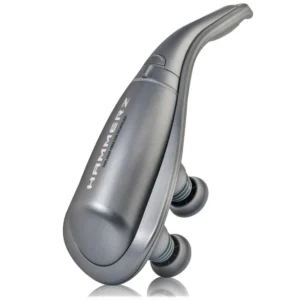

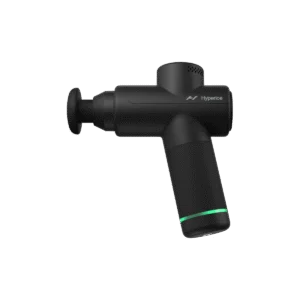



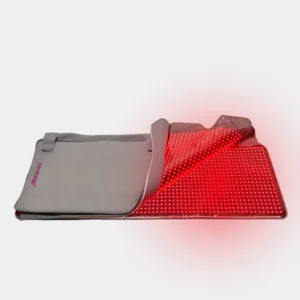




Some links are affiliate links. If you buy through them, ItHurts.com may earn a small commission at no extra cost to you.
What to try this week
When to see a doctor
Call 911 (or your local emergency number) or go to the emergency room if:
- weakness in your legs or arms is spreading quickly over hours or days, or you're finding it hard to walk, swallow or breathe
- you suddenly have weakness, numbness or drooping on one side of your face or body, or trouble speaking (these can be signs of a stroke)
- you have numbness around your genitals or bottom, or new trouble controlling your bladder or bowels
Call your doctor the same day if:
- you have diabetes and a foot that is hot, red, swollen or has a wound, especially if you feel unwell or have a fever
- you have a cut or ulcer on your foot that's oozing, smells, or is getting bigger
- numbness or tingling came on suddenly or is spreading fast
Book an appointment within 1 to 2 weeks if:
- you have new pain, tingling or loss of feeling in your feet or hands
- your balance has got worse, or you've had a fall
- you have a cut or sore on your foot that isn't healing
- you have muscle weakness or cramps you can't explain
- nerve pain is affecting your sleep or mood
People at higher risk, such as those with diabetes, should have their feet checked regularly even without symptoms.
Common questions
Can peripheral neuropathy get better?
It depends on the cause. Some types improve with time if the cause is found and treated, for example a vitamin shortage. In other cases the damage stays the same or slowly gets worse, but treatment and good foot care can still make a big difference to comfort and safety.
Why is it worse at night?
There are fewer distractions at night, so the brain notices nerve signals more. Bedsheets touching sensitive feet can also trigger pain. A bed cradle that lifts the covers off your feet helps some people.
Do I have neuropathy if I don't have diabetes?
You can. Diabetes is the most common cause, but there are many others, such as alcohol, vitamin shortages, some medicines and infections. Sometimes no cause is found.
Is it safe to exercise with numb feet?
Yes, and it's usually helpful. Choose good-fitting shoes, check your feet afterwards, and pick activities that are kind to your feet, such as cycling, swimming or chair exercises, if walking is hard.
What tests might I have?
Your doctor may check your feeling, reflexes and strength, and arrange blood tests to look for causes like diabetes, low vitamins or thyroid problems. Some people are referred for nerve tests to a neurologist, a specialist in nerves.
You don't have to figure this out alone
Want a clearer picture of your pain and three ideas for the week? Take the free 2-minute Chronic Pain Check-Up. Nine quick taps give you your Pain Archetype, your Pain Load score and three things to try this week.
Living with numb, burning feet can be lonely and tiring. Join the ItHurts community to share foot-care tips, sleep tricks and support with people who understand.
Sources
If it Hurts we can help.
Join a space where people share real experiences, support, and understanding—without judgment.
Join the ItHurts CommunityReviewed by the ItHurts editorial team · Last reviewed 18 October 2026 · General information, not medical advice. If you are worried about your symptoms, talk to a doctor.