

Meditation Tips to Calm Mind and Body When You Live With Pain
Before reading on, try this. Let your shoulders drop. Unclench your jaw. Breathe in through your nose for a slow count of four, and out through your mouth for a count of six. Do that three times.
That was a tiny meditation. It didn't require a cushion, special music or an empty mind. For many people living with chronic pain, this is where meditation really begins: not as a big new hobby, but as a few small moments in the day that help the body and mind settle.
This guide explains how meditation may fit into life with pain, several simple practices to try, and how to adapt them when sitting still is uncomfortable.
Why meditation and pain are connected
Pain is not only a signal from the body. It is also shaped by the brain, which weighs that signal against things like stress, mood, sleep, past experiences and how much attention we're paying to it. That's why the same pain can feel more bearable on a calm, rested day and much harder after a sleepless night or a stressful week.
Long-term pain often comes with a cycle: pain causes tension and worry, tension tightens muscles and disturbs sleep, and poor sleep and stress make pain feel worse. Meditation doesn't remove the cause of pain, but many people find it helps them step out of that cycle a little, so the pain takes up less space. Mindfulness and relaxation approaches are now commonly included in pain management programs alongside medical care, physical therapy and movement.
It is worth being clear: meditation is a complement to medical care, not a replacement. If your pain is new, severe or changing, please get it checked.
Five practices to explore
You don't need to do all of these. Try one for a week and notice how it feels.
1. Slow breathing
Breathing slowly, with the out-breath a little longer than the in-breath, is one of the simplest ways to calm the body's stress response. Try breathing in for four and out for six, for two to five minutes. If counting feels stressful, simply notice the air moving in and out.
2. Body scan
Lying down or sitting, slowly move your attention from your toes up to the top of your head, noticing sensations in each area without trying to change them. When you reach a painful area, you can notice it with curiosity ("tight," "warm," "throbbing") and then move on, or skip it and come back later. Some people find this helps them see that pain is one part of the body's experience, not the whole of it.
3. Mindfulness of the present moment
Mindfulness means paying attention to what is happening right now, without judging it. You might focus on sounds around you, the feel of your feet on the floor, or the taste of a cup of tea. When your mind wanders, and it will, gently bring it back. The returning is the practice, not a failure.
4. Progressive muscle relaxation
Tense a group of muscles gently for about five seconds, then release and notice the difference for 10 to 15 seconds. Work through the body: hands, arms, shoulders, face, and so on. If tensing a painful area makes it worse, skip that area or simply imagine it softening instead.
5. Guided imagery
Picture a place where you feel safe and at ease, perhaps a beach, a forest or a favorite room. Imagine the details: colors, sounds, temperature, smells. Many free guided recordings can lead you through this, which is helpful on days when concentrating is hard.
When sitting still hurts
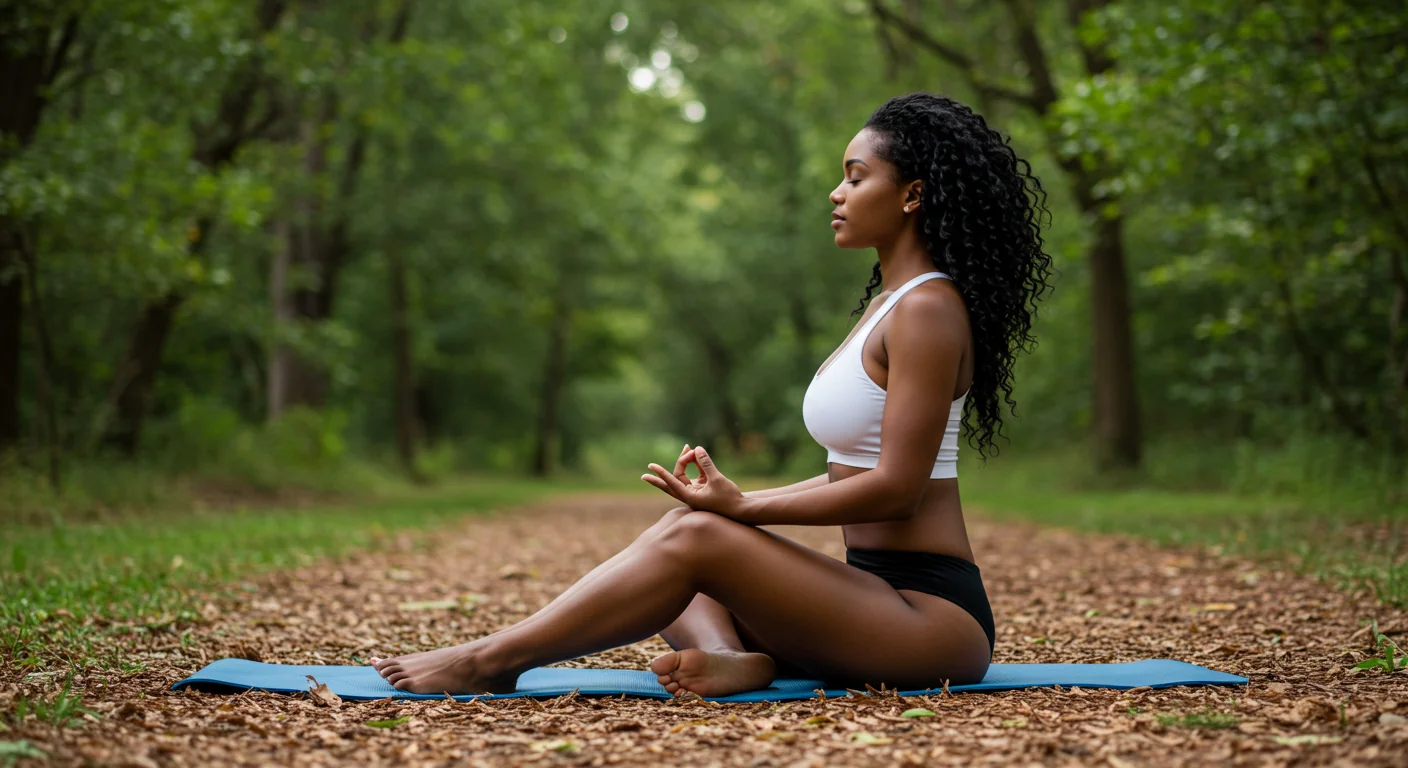
Traditional images of meditation involve sitting cross-legged on the floor. That's not realistic for many people with pain, and it isn't necessary.
- Lie down with pillows under your knees or between them, whichever position is easiest.
- Use a supportive chair with your feet flat and your back supported.
- Try walking meditation, paying attention to each step, the movement of your legs and your breathing.
- Change position whenever you need to. Moving mindfully is still meditation.
- Keep sessions short. Two to five minutes, a few times a day, is a perfectly good start.
Making it a habit
- Link practice to something you already do, such as after brushing your teeth or before your first coffee
- Use a phone reminder, a free app or recorded guidance if you prefer to be led
- Practice when pain is moderate, not only during your worst flares, so the skill is there when you need it
- Be patient; like any skill, it often takes a few weeks before you notice changes
- Keep a simple note of how you felt before and after, which can show progress that's easy to miss
A few cautions
For most people, gentle meditation is low risk. However, focusing inward can sometimes bring up difficult memories or strong emotions, particularly for people with a history of trauma. If a practice makes you feel worse, distressed or disconnected, stop, open your eyes, and focus on something external like the room around you. Trauma-sensitive approaches and support from a therapist can help. If you ever feel in crisis, in the US you can call or text 988 for the 988 Suicide & Crisis Lifeline, or call your local emergency number elsewhere.
Breathing exercises that involve holding your breath or breathing fast are not recommended for everyone. Stick with slow, comfortable breathing unless a clinician advises otherwise, especially if you have heart or lung conditions or are pregnant.
The bigger picture
Meditation works best as one part of a broader approach to living with pain, alongside medical care, appropriate movement, sleep routines, and support from people who understand. It's also worth asking your doctor or pain team whether they offer mindfulness-based programs or can recommend one.
To close
Meditation doesn't have to be long or perfect to be worthwhile. A few minutes of slow breathing, a body scan in bed, or a mindful walk can help calm a stressed nervous system and make pain feel a little less overwhelming. Start small, adapt it to your body, and be kind to yourself along the way.
Keep going with others
Try the free ItHurts Chronic Pain Check-Up to understand your pain patterns, and share what helps you in our wellness, rehab and lifestyle groups.
This article is general information, not medical advice. If you're worried about your symptoms, talk to a doctor.
Reviewed by the ItHurts editorial team · Last reviewed 18 October 2026 · General information, not medical advice. If you are worried about your symptoms, talk to a doctor.