

 Written by
Red Light Therapy for Neuropathy in the Feet: Does It Work?
What neuropathy in the feet feels like, and why light is even a candidate
Peripheral neuropathy is damage to the small nerves in the feet and hands. It shows up as burning, tingling, pins and needles, numbness, or feet that feel like they are wrapped in cloth. Diabetes is the most common cause; chemotherapy, vitamin deficiency and some medicines are others. Our peripheral neuropathy guide covers the causes and the things that protect your feet.
Red and near-infrared light at specific wavelengths is absorbed by cells and seems to nudge them to make more energy and to improve local blood flow. The idea is that nerves starved of blood and energy might recover some function. That is a plausible mechanism, and it is why researchers have tested it for neuropathy.
What the research shows
The honest summary is: promising, small, and mixed.
- A 2019 systematic review of six studies on painful diabetic neuropathy found that low-level laser and light therapy reduced pain in most of them, but the studies were small, mixed in design and could not be pooled.
- A 2023 systematic review of eight studies reported better pain scores and nerve conduction after photobiomodulation, while noting that several studies were not randomised and the overall quality was low.
- Some individual trials found no meaningful difference between real and sham light. Short trials, few people, different devices and doses, and little follow-up are the recurring weaknesses.
So it is not proven, and it is not disproven. What the studies agree on is that it is safe when used as directed. For many people that makes it a sensible thing to try at home once the cause of the neuropathy is being managed.
Who should try it, and who should be careful
Reasonable to try if your neuropathy is confirmed, its cause is being treated, and your main complaint is burning, tingling or aching feet that disturb sleep or walking.
Be careful, or ask your doctor first, if you have reduced sensation in the feet, because you may not feel a device getting too warm; if you take medicines that make skin light-sensitive; if you have skin cancer or an active infection on the feet; or if you are pregnant. Never use light on the eyes, and use the eye protection supplied with panels.
What to expect, and how to use it
- Sessions of ten to twenty minutes, most days, with the device close to or on the skin.
- A fair trial is six to eight weeks. Keep a nightly score of burning and tingling out of ten.
- Any benefit usually builds slowly. If nothing has changed after eight weeks of regular use, stop.
- Check the skin after each session, especially if your feeling is reduced. Mild warmth is normal; redness that lasts is not.
Three devices worth a careful trial
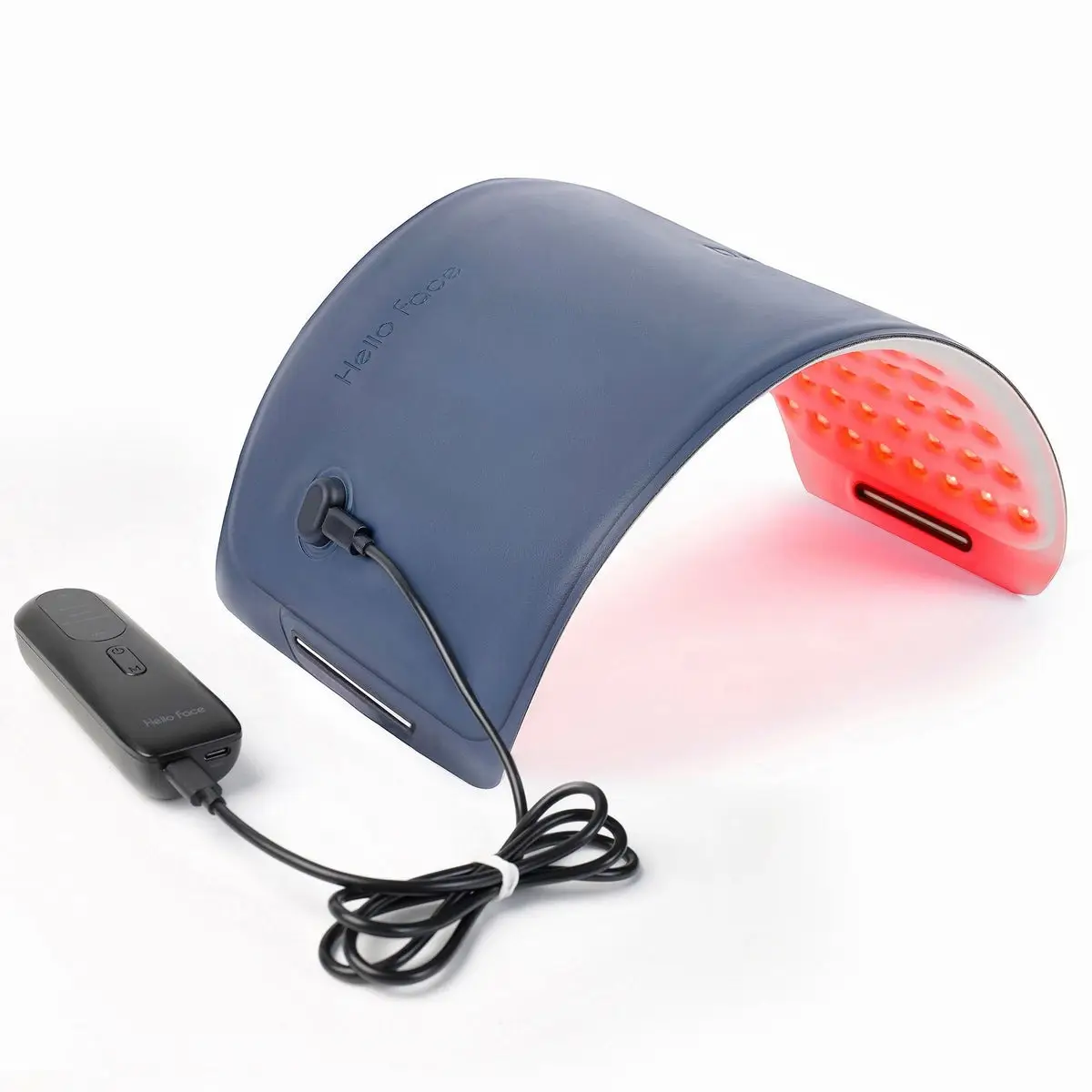
Lumy Health Portable Red Light Therapy Belt
Best for: wrapping around a foot or ankle for a hands-free session while you sit. Portable, battery-powered, and the wrap shape keeps the light close to the skin.
Skip it if: you want to treat both feet at once from one device, or you need coverage up the leg too.
Why we chose it: the belt shape fits a foot and ankle well, the price is the lowest in the shop for a wearable red and near-infrared device, and the brand pays attention to the wavelengths the research used.
See it on ItHurts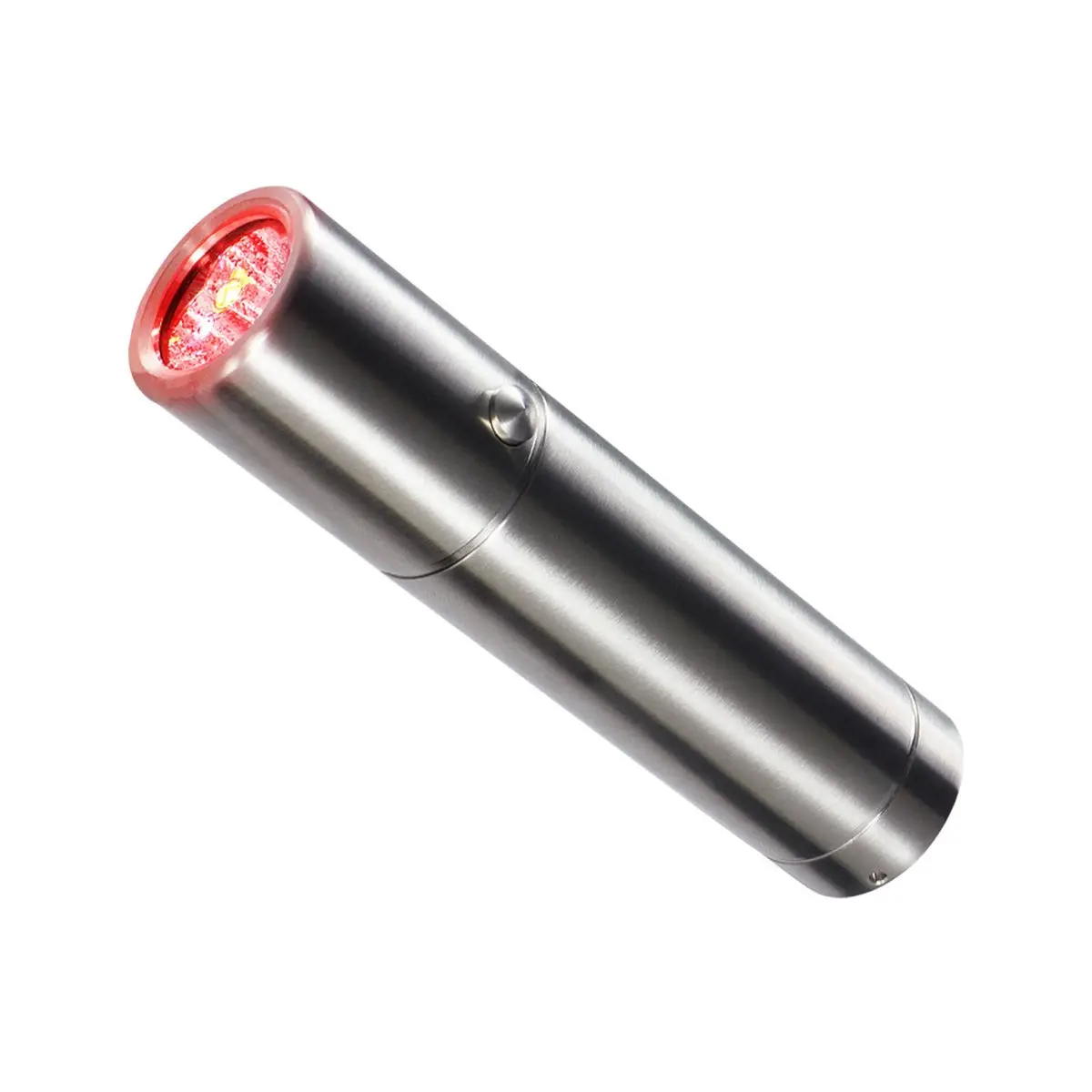
Lumy Health Red Light Therapy Torch
Best for: spot treatment of a single painful area, such as the ball of the foot or a toe, and for people who want the cheapest way to try the therapy.
Skip it if: your symptoms cover the whole foot or both feet; holding a torch for twenty minutes a side gets old fast.
Why we chose it: it is inexpensive, simple and precise. A good first step if you are unsure whether light does anything for you.
See it on ItHurts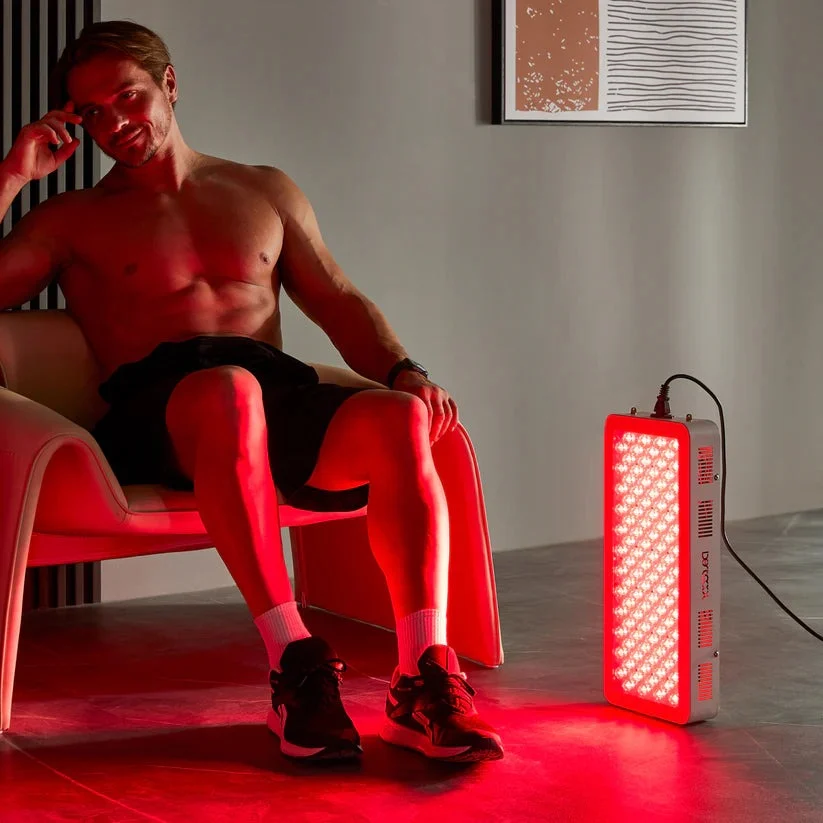
Bestqool Pro100 Red Light & Near Infrared Therapy Device
Best for: both feet at once, or feet and lower legs, from a panel you sit in front of. The most coverage per session.
Skip it if: you have no room to set it up, or you want something to use in bed or while travelling.
Why we chose it: a half-body panel treats both feet in one session, which makes daily use far more likely than a device you move from foot to foot.
See it on ItHurtsWhat matters more than any device
Light is an add-on. The things with strong evidence for neuropathy are keeping blood sugar in range if you have diabetes, checking your feet daily for cuts and pressure marks, wearing shoes that fit, staying active, and not smoking. A doctor can also check for causes that are reversible, such as low vitamin B12. If your symptoms are getting worse quickly, spreading up the legs, or you have weakness or balance problems, see a doctor rather than buying anything.
Common questions
How long before red light therapy helps neuropathy?
In the studies that found a benefit, it took several weeks of regular sessions. Expect six to eight weeks before you can judge, and expect modest change rather than a transformation.
Is red light therapy safe for diabetic feet?
Generally yes, but reduced sensation means you must check the skin and the device temperature yourself, and keep sessions to the recommended time. Ask your diabetes team if you are unsure.
Red light or near-infrared for neuropathy?
Near-infrared (around 800 to 900 nm) reaches deeper into tissue and is what most neuropathy studies used. Many home devices combine both, which is fine.
Can I use it with a TENS unit or a foot massager?
Yes, at different times. Light sessions and TENS or massage sessions do not interfere with each other, as long as the skin stays healthy.
Sources
- Low level laser therapy for patients with painful diabetic peripheral neuropathy: a systematic review — Anju et al., Diabetes & Metabolic Syndrome, 2019. Six studies suggested reduced pain; small and heterogeneous, no meta-analysis.
- Effectiveness of photobiomodulation therapy on neuropathic pain, nerve conduction and plantar pressure in diabetic peripheral neuropathy: a systematic review — Korada et al., Current Diabetes Reviews, 2023. Eight studies reported improvements; includes non-randomised studies, low overall quality.
- Peripheral neuropathy — NHS. Causes, symptoms and treatment.
- Peripheral neuropathy — National Institute of Neurological Disorders and Stroke. Causes and what helps.
Not sure which pain product is right for you?
Take the free two-minute Chronic Pain Check-Up and get three things to try this week.
Take the Chronic Pain Check-UpSome links are affiliate links. If you buy through them, ItHurts.com may earn a small commission at no extra cost to you.