


 Written by
Chronic Pelvic Pain: Causes, Getting Answers and What Helps
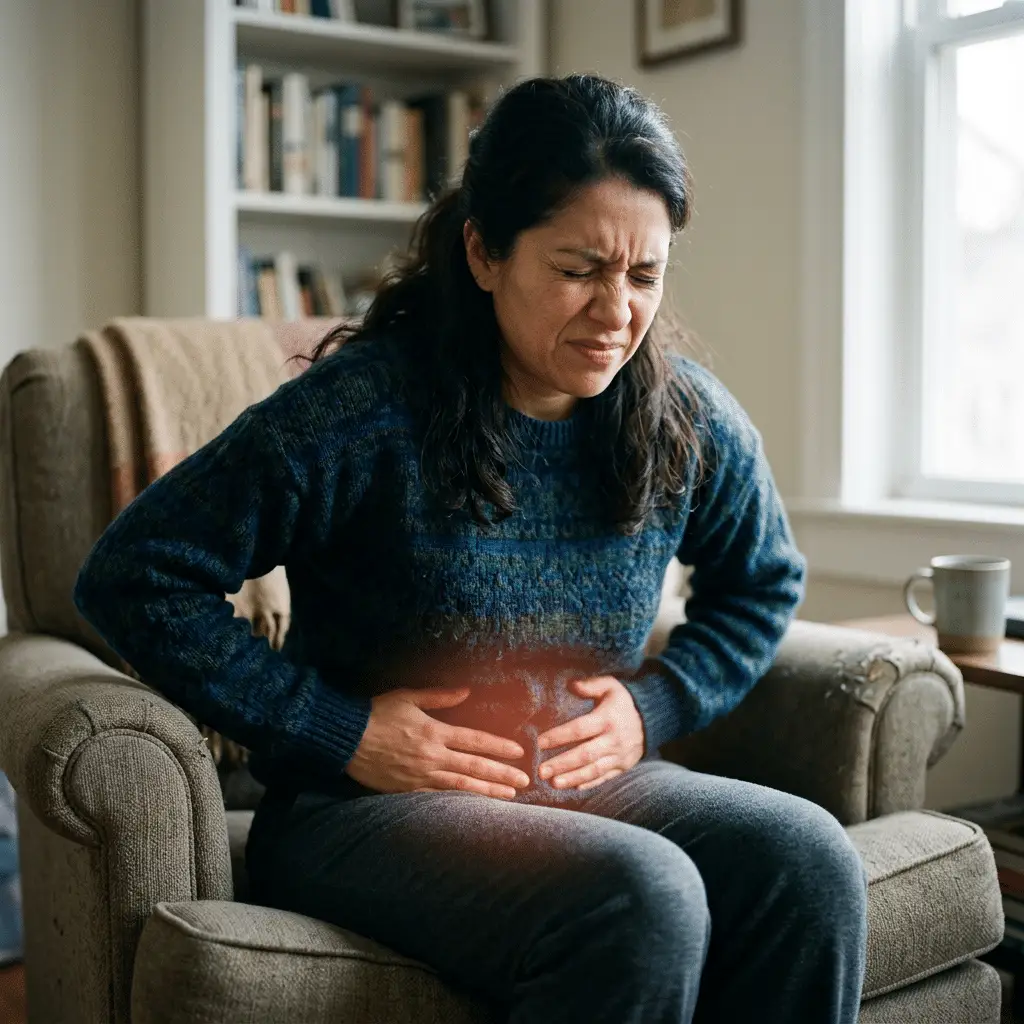
Pelvic pain that comes back month after month, or never really goes away, can wear you down. It can affect sleep, work, sex and your mood, and it can take time to find out what's causing it. You're not imagining it, and there is help.
This guide explains what chronic pelvic pain is, the common causes in women and men, how doctors look for the cause, what helps, and when to get help. It can't tell you what's causing your pain. Only a doctor who examines you can do that.
What chronic pelvic pain is and how it feels
Chronic pelvic pain means pain in the lower tummy or pelvis, below the belly button and between the hips, that has lasted for 6 months or more. It may be constant, or come and go, and it can be dull and aching or sharp and cramping.
It can come with:
- pain during or after sex
- pain when you pee or poo, or needing to pee often
- pain that's worse around your period
- pain that spreads to the lower back, buttocks or thighs
- pain when sitting for a long time
Common causes
Often more than one thing is involved. Common causes include:
- Endometriosis or adenomyosis, where tissue like the womb lining grows where it shouldn't. See our endometriosis guide.
- Bladder pain syndrome (interstitial cystitis), a long-term pain in the bladder area.
- Irritable bowel syndrome (IBS) and other bowel problems.
- Tight or overactive pelvic floor muscles, the muscles that support the bladder, bowel and sexual organs.
- Nerve problems, such as an irritated pudendal nerve.
- In men, chronic prostatitis or chronic pelvic pain syndrome, a common cause of long-lasting pain in the pelvis, genitals or between the legs.
- Past infections, such as pelvic inflammatory disease, which can leave scarring.
Getting answers
A doctor will usually ask about your symptoms, your bladder and bowel, your periods if you have them, and your sexual health, and examine you. Depending on your symptoms, they may arrange:
- urine tests and swabs to check for infection
- an ultrasound scan, or sometimes an MRI
- a referral to a gynecologist, urologist, gastroenterologist or pain specialist
- sometimes a small keyhole operation (laparoscopy) to look inside the pelvis
Sometimes no single cause is found. That doesn't mean the pain isn't real, and treatment can still help.
What usually helps
- Treating the cause when one is found, for example hormone treatment for endometriosis or treatment for a bladder or bowel problem.
- Pelvic floor physical therapy: a specialist physical therapist can help tight pelvic floor muscles relax, which helps many people.
- Pain relief: ordinary painkillers, and sometimes medicines for nerve pain. Ask your doctor or pharmacist what's right for you.
- Heat and TENS: warmth on the lower tummy or back, or a TENS unit, eases pain for some people.
- Pain management and talking therapies: help with sleep, stress and coping with long-term pain, which can make the pain itself easier to live with.
What to try this week
When to see a doctor
Go to the emergency room or call 911 (or your local emergency number) if:
- you have sudden, severe pain in your pelvis or lower tummy, especially if you could be pregnant
- you have pelvic pain with a high fever, vomiting, or you feel faint
- you have sudden severe pain in a testicle
- you're bleeding very heavily
Book an appointment if:
- you've had pelvic pain on and off for more than a few weeks
- you have pain during sex, or pain when you pee or poo
- you have bleeding between periods or after sex, or after the menopause
- you notice blood in your pee or poo, or your bowel habits change
- your pain is getting worse or stopping you from doing everyday things
If you take medicines, don't change or stop them without talking to your doctor or pharmacist.
Common questions
Can men get chronic pelvic pain?
Yes. Chronic prostatitis or chronic pelvic pain syndrome is one of the most common reasons men see a urologist. It's treatable, and talking about it is the first step.
What if my tests are all normal?
That's common, and it doesn't mean the pain isn't real. Pelvic floor therapy and pain management can help even when no single cause is found.
Does stress make it worse?
Stress doesn't cause pelvic pain, but it can tense the pelvic floor and make pain feel worse. Relaxation, sleep and support all help.
You don't have to figure this out alone
Pelvic pain is hard to talk about. You can join the free Chronic Pelvic Pain group on ItHurts and talk to people who understand, at your own pace.
Not sure what's behind your pain? Take the free 2-minute Chronic Pain Check-Up. Nine quick taps show you what kind of pain you have, your Pain Load score and three things to try this week.
Sources
If it Hurts we can help.
Join a space where people share real experiences, support, and understanding—without judgment.
Join the ItHurts CommunityReviewed by the ItHurts editorial team · Last reviewed 28 November 2026 · General information, not medical advice. If you are worried about your symptoms, talk to a doctor.