


 Written by
Shoulder Pain: Frozen Shoulder, Rotator Cuff and What Helps

Reaching for a high shelf. Putting on a coat. Fastening a bra or tucking in a shirt. When your shoulder hurts, all the little things you never think about suddenly become a challenge. And if it keeps you awake at night, it can wear you down fast.
Shoulder pain is very common, especially after 50. Most of it can be helped with the right kind of movement and patience, though some shoulder problems take months to settle. This guide explains the most common causes, including frozen shoulder and rotator cuff problems, what usually helps, and when to get checked. It can't tell you what is causing your own pain. Only someone who examines you can do that.
What shoulder pain is and how it feels
Your shoulder is the most mobile joint in your body. It's a shallow ball-and-socket joint held in place by a group of four muscles and their tendons, called the rotator cuff. That design gives you a huge range of movement, but it also means the shoulder relies on its soft tissues to stay strong and steady.
Shoulder pain can feel like:
- an ache at the front, side or top of the shoulder, sometimes spreading down the upper arm
- pain when you lift your arm out to the side or overhead
- pain lying on that side at night
- stiffness, so you can't move your arm as far as before
- weakness, or a feeling that the arm "gives way" when you lift
Rotator cuff problems are the most common cause of shoulder pain. The tendons can become irritated, worn or torn, often with age or overuse. Pain is usually felt on the outer upper arm and gets worse when you raise your arm or lie on that side.
Frozen shoulder is when the shoulder becomes painful and then very stiff, so it's hard to move in any direction, even when someone else tries to move it for you. It's more common in middle age and in people with diabetes, and it often comes on for no clear reason. It can last many months, sometimes longer, but the pain and stiffness usually do get better in the end.
Common causes
Things that commonly lead to shoulder pain include:
- wear and tear in the rotator cuff tendons, which becomes more common with age
- repeated overhead movements, such as painting, decorating, gardening or certain sports
- a sudden strain from lifting, pulling or catching yourself when you trip
- frozen shoulder, which may follow a period of not moving the arm, such as after an injury or surgery, or come on by itself
- osteoarthritis in the shoulder joint
- a fall onto an outstretched arm, which can cause a tear, dislocation or break
- slumped posture, with rounded shoulders and the head pushed forward
Sometimes pain felt in the shoulder actually comes from the neck. And rarely, pain in the left shoulder or jaw can come from the heart, which is why it's important to know the warning signs below.
What usually helps
Keep the shoulder gently moving. Resting the arm completely can make the shoulder stiffer and slow recovery. Move it gently within a comfortable range every day, and avoid the movements that clearly make it worse.
Be patient with the timeline. Shoulder pain often takes a couple of weeks of good habits before it starts to ease, and it can take months to recover fully. That's normal for shoulders, and it doesn't mean you're doing something wrong.
Use heat or cold. Many people find a heat pack or hot water bottle wrapped in a towel eases stiffness. Others prefer a cold pack for sore, irritated tendons. Up to 20 minutes, 2 or 3 times a day.
Rest the arm well when sitting. A cushion in your lap to rest the arm on, and a cushion behind your lower back so you sit tall, can take the strain off your shoulder.
Sleep with support. If you sleep on your side, lie on the good side and hug a pillow to rest the sore arm on. If you sleep on your back, a small pillow under the sore elbow can help.
Get exercises from a professional. Shoulder exercises done regularly for 6 to 8 weeks help many people and can stop the pain coming back. A physiotherapist can show you which ones suit your shoulder. Avoid making up your own strenuous exercises or using heavy gym equipment.
Ask about pain relief. If you need something so you can keep moving, a pharmacist can help you choose what's right for you, including creams or gels.
Keep doing what you enjoy. You can usually carry on with gardening, sport and hobbies, with some changes. Keep your work below shoulder height when you can, take regular breaks, and build up slowly after time off. If a movement causes sharp pain, pause it for now and ask a physiotherapist how to get back to it safely.
Relief picks for shoulder pain
Hand-picked by ItHurts · an everyday option, a best overall and a clinical-grade upgrade
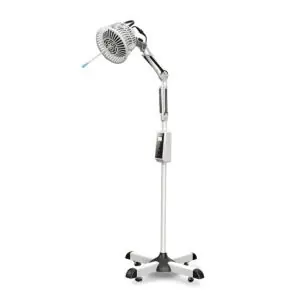

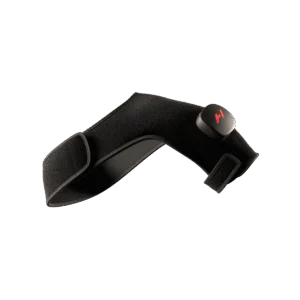

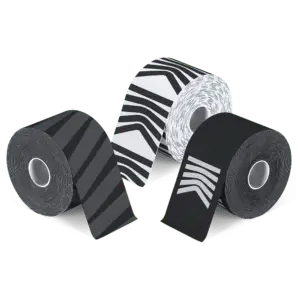



Some links are affiliate links. If you buy through them, ItHurts.com may earn a small commission at no extra cost to you.
What to try this week
When to see a doctor
Call 911 (or your local emergency number) or go to the emergency room if:
- you have shoulder, arm, neck or jaw pain with chest pain, pressure, sweating, feeling sick or shortness of breath
- you can't move your arm after a fall or injury, or your shoulder has changed shape
Call your doctor the same day, or get urgent care, if:
- you have sudden or very bad shoulder pain
- your shoulder is badly swollen, hot or red, or you feel feverish or unwell
- you have pins and needles that don't go away, or no feeling in your arm
- your arm or hand feels hot or cold to touch
- you develop severe pain in both shoulders
Book an appointment within 1 to 2 weeks if:
- your shoulder pain isn't improving after 2 weeks of looking after it at home, or it's getting worse
- it's very hard to move your arm, or your shoulder is slowly getting stiffer
- your arm feels weak when you lift it
- the pain wakes you most nights
Your doctor or physiotherapist can work out what's causing the pain and suggest treatment, such as exercises, other kinds of pain relief, injections, or, for a small number of people, surgery. If you take medicines, don't change or stop them without talking to your doctor or pharmacist.
Common questions
How do I know if it's frozen shoulder or a rotator cuff problem?
You can't always tell yourself, and you shouldn't need to. As a rough guide, frozen shoulder makes the shoulder stiff in every direction, while rotator cuff problems often hurt mainly when you lift your arm. A doctor or physiotherapist can tell the difference with a simple examination.
How long does frozen shoulder last?
It varies a lot. It often lasts many months and can take a year or more to fully settle. The pain usually eases first, then the stiffness slowly improves.
Should I stop using my arm?
No. Completely resting the shoulder can make it stiffer. Keep using it for gentle everyday tasks and avoid only the movements that clearly make it worse.
Is it normal for shoulder pain to be worse at night?
Yes, it's very common, especially with rotator cuff problems and frozen shoulder. Supporting the arm with a pillow and not lying on the sore side can help.
Will I need a scan?
Often not at first. Your doctor may suggest an X-ray or scan if the pain doesn't improve, if there's been an injury, or if they suspect a tear.
You don't have to figure this out alone
Want to understand your pain better? Take the free 2-minute Chronic Pain Check-Up. Nine quick taps give you your Pain Archetype, your Pain Load score and three things to try this week.
And when the slow progress feels frustrating, join the ItHurts community. Lots of people there have been through frozen shoulder and rotator cuff trouble, and they're happy to share what helped.
Sources
If it Hurts we can help.
Join a space where people share real experiences, support, and understanding—without judgment.
Join the ItHurts CommunityReviewed by the ItHurts editorial team · Last reviewed 18 October 2026 · General information, not medical advice. If you are worried about your symptoms, talk to a doctor.