Category: Physical Pain

GUM PAIN: The Tiny Mouth Problem That Feels Way Too Big

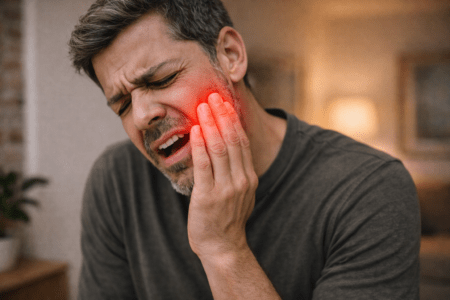
GUM PAIN: The Tiny Mouth Problem That Feels Way Too Big 😖🦷 Small gums. Massive attitude. When GUM PAIN Takes Over Your Whole Personality 😬 Let’s be honest: gum pain is one of those annoyances that instantly becomes your entire identity. One minute you’re just living your life, and the next you’re walking around like, “Yes hello, I am a person made of 90% throbbing mouth.” Sometimes it’s a tender spot. Other times it’s a fiery zing that makes you question every life choice that led your gums to rebel. And when it hits while you’re eating, drinking, talking, or—worst—smiling? That’s when patience gets tested. Quick note: This is friendly info, not medical advice. Always talk with a qualified professional about your own situation. What’s Actually Going On With GUM PAIN? 🧠🩺 Gum pain has many possible causes—your mouth truly runs its own drama series. Inflammation: Irritated gums swell and protest loudly. Overzealous brushing or flossing: Gentle wins here. Gum disease: Plaque buildup leads to irritation and pain. Hormones, allergies, or sinus pressure: Gums are surprisingly emotional. Infections or abscesses: Deep, throbbing discomfort. Vitamin deficiencies: Especially vitamin C. Popcorn kernel betrayal or long-term inflammation—either way, your pain is real. Why It Hurts (and Why You’re NOT Imagining It) 😤 Gum pain may look small, but it can feel enormous. It often radiates, turning one sore spot into a full-face throb. You’re not dramatic. You’re not weak. You’re dealing with pain in one of the most sensitive parts of the body. “Nothing makes you appreciate healthy gums like one bad afternoon with painful ones.” When to Call in the Pros ⚠️ Worsening swelling Heavy or persistent bleeding Pain lasting more than a few days Bad taste or odor Loose teeth Fever Pus or visible infection Difficulty chewing or opening your mouth Getting help is awareness—not overreacting. Home Strategies That Actually Help 🏡 Everyday Tweaks Use a soft-bristle toothbrush Brush gently—pressure is not required Warm saltwater rinses Avoid sharp, crunchy, or spicy foods Give sore areas a break Gentle Jaw Movement Slow jaw opening and closing Mindful chewing Comfort Hacks Cold compress on the cheek Sugar-free gum for saliva flow Hydration (seriously helps) Small wins matter—even calmer chewing counts. Real-Life Stuff: Work, Sleep, Relationships, and Sanity 😴💼❤️ Gum pain affects talking, eating, sleeping, and mood. At work: fewer calls, softer foods, lukewarm drinks At night: throbbing can spike—stay hydrated With others: communicate instead of suffering silently “Gum pain might slow you down, but it doesn’t get to rewrite your whole story.” You Deserve Relief — And You’re Not Alone 🌱 Gum pain may be small, but its impact is huge. You deserve comfort, understanding, and support. Join the ItHurts Community 💬 You don’t have to deal with gum pain alone. Join the Community Friendly-but-Important Disclaimer This content does not diagnose or replace professional medical care. Use it to support conversations with qualified clinicians.

Groin Pain: When Your Body’s “Do Not Disturb” Zone Files a Complaint

Groin Pain: When Your Body’s “Do Not Disturb” Zone Files a Complaint 😖🩶 Sensitive area. Very loud opinions. The Intro Nobody Asked For, But Here We Are 🙃🔥 Groin pain has a talent for showing up at the exact worst moment. You might be walking through a store, feeling all normal and productive, when suddenly—zap—your groin throws a tantrum like it’s auditioning for a drama series. It’s a deeply annoying, weirdly vulnerable, sometimes embarrassing type of pain. And because groin pain lives in a region we don’t exactly bring up at brunch, people often suffer in silence. Quick note: This isn’t medical advice—just friendly info and encouragement. Always talk with a qualified professional about your own situation. What’s Actually Going On? 🧠🩺 The groin is a busy intersection where muscles, tendons, and ligaments from your hips, thighs, and core all meet. When one piece gets irritated, the entire system complains. Common causes include: Muscle strains from sudden movement or overuse Hip joint irritation after sitting or activity Tendon inflammation causing deep pulling pain Repetitive movement injuries Sudden twisting or awkward positions If you’ve wondered what causes groin pain, it’s often your body saying something got stretched or overloaded—not that you’re fragile. Why It Hurts (and Why You’re NOT Crazy) 😤 Groin pain can feel sharp, dull, pulling, deep, or tight—and since it’s not visible, people may underestimate it. Your pain is real. Your frustration is valid. Groin pain affects walking, sitting, sleep, exercise, posture, and intimacy—basically daily life. “Groin pain: because apparently my inner thigh wanted to be the main character today.” When to Call in the Pros ⚠️ Sudden severe pain after injury or fall Inability to walk or bear weight Rapid swelling or bruising Fever or chills Pain radiating into abdomen or genitals Numbness, tingling, or weakness Worsening pain despite rest Getting checked is awareness—not overreaction. Home Strategies That Actually Help 🏡 Everyday Tweaks Warm up before activity Change sitting positions frequently Avoid sudden pivots or heavy loads Wear supportive footwear Gentle Movement Light hip circles Inner thigh stretches Gentle glute activation Short, slow walks Comfort Supports Warm compress for tightness Cold packs for sharp irritation Supportive cushions when sitting Short rest breaks throughout the day Groin pain relief usually comes from small wins—not one big fix. Real-Life Stuff: Work, Sleep, Relationships, and Sanity 😴💼❤️ Groin pain sneaks into everything—work, sleep, intimacy, and mood. Alternate sitting and standing at work Use pillows between knees during sleep Communicate limits in relationships Give yourself emotional grace “Pain might slow my steps, but it doesn’t get to write my whole story.” Wrapping It Up 🌿 Groin pain is uncomfortable and disruptive—but it’s not your whole future. You deserve relief, understanding, and support. Join the ItHurts Community 💬 You don’t have to deal with groin pain alone. Join the Community Lighthearted-but-Serious Disclaimer This content does not replace professional medical care. Use it for understanding and discussion—not diagnosis.

Gallbladder Pain: The Tiny Organ With a Big Attitude

Gallbladder Pain: The Tiny Organ With a Big Attitude 😖💥 When a small organ creates very loud problems. Your Gallbladder Has Decided To Make Life Interesting 😫 Gallbladder pain has a bold personality. It doesn’t hint, whisper, or politely raise its hand. It strikes with the energy of a furious toddler who missed their nap and found espresso. If you’ve felt that upper-right abdominal stab, heaviness, pressure, or deep ache that radiates like a passive-aggressive text message, you’re in the right place. Quick note: This is friendly information, not medical advice. Always talk with a qualified professional about your personal situation. What’s Actually Going On? 🧠🩺 Your gallbladder is a small storage sac under your liver that holds bile to help digest fats. When everything flows normally, you never notice it. When it gets blocked, inflamed, or overstimulated? That quiet coworker flips the desk. Common causes include: Gallstones blocking bile flow Inflammation (cholecystitis) Bile sludge Large or high-fat meals Digestive conditions that stress bile release Imagine trying to push syrup through a straw. That’s what your gallbladder deals with during a flare. Why It Hurts (and Why You’re NOT Imagining It) 😤 Gallbladder pain can range from nagging pressure to intense pain that wakes you at night and cancels your plans. Because no one can see it, people may underestimate it. That doesn’t make it any less real. Common sensations include: Deep ache under the right ribs Sharp pain radiating to the back or shoulder Nausea or digestive upset Tightness that makes breathing uncomfortable “Gallbladder pain isn’t in your head — it’s just in the worst possible place.” The emotional toll matters too. Anxiety, frustration, and exhaustion are part of this experience—and all of them are valid. When to Call in the Pros ⚠️ High fever or chills Persistent vomiting Yellowing of skin or eyes Severe or long-lasting abdominal pain Dark urine or pale stool Breathing difficulty during pain episodes Chest or shoulder pain that feels concerning Getting checked is not overreacting—it’s smart self-care. Home Strategies That Actually Help 🏡 Everyday Tweaks Smaller, more frequent meals Lower-fat food choices during flares Staying upright after eating Staying hydrated Gentle Movement Light walking after meals Avoid intense workouts during flares Comfort Supports Warm compress on the upper abdomen Slow breathing to reduce pain-related anxiety True rest without guilt Relief often comes through trial-and-error. Small wins count. Real-Life Stuff: Work, Sleep, Relationships, and Sanity 😴💼❤️ Gallbladder pain doesn’t wait for a convenient moment. Communicate pacing needs at work Plan gentler meals when possible Use pillows or slight elevation at night Give yourself emotional grace “You’re not weak — you’re navigating a digestive diva with big moods.” You’re Not Alone 🌱 Gallbladder pain is intense, disruptive, and unfair—but it doesn’t define you. Support exists. Relief is possible. And you deserve both. Join the ItHurts Community 💬 You don’t have to face gallbladder pain alone. Join the Community Light-Hearted but Serious Disclaimer This content does not replace professional medical care. Use it for understanding and discussion—not self-diagnosis.

Full Body Pain: The Exhausting Mystery Tour Your Body Never Asked For

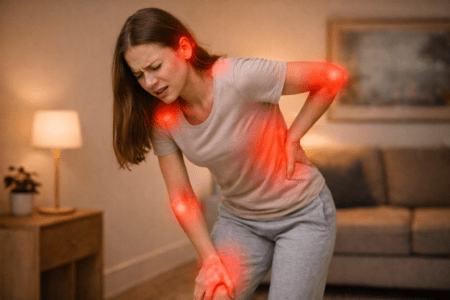
Full Body Pain: The Exhausting Mystery Tour Your Body Never Asked For 😩🧭 When everything hurts and nobody can see it. When Your Whole Body Feels Like It’s Filing Complaints 📣😖 Full body pain isn’t just “ouch.” It’s more like your entire body organized a surprise protest march, complete with signs, chants, and zero interest in your schedule. Some mornings it feels like you woke up after wrestling a bear. Other mornings it feels like the bear came back with friends. And the wild part? Half the world assumes full body pain means you’re “just tired,” “just stressed,” or “just need vitamins,” as if anyone dealing with this hasn’t already tried half the pharmacy aisle. Important note: This isn’t medical advice—just friendly information and encouragement. Always talk with a qualified pro about your own situation. What’s Actually Going On? 🧠🩺 Full body pain often comes down to how the brain and nervous system communicate with the rest of the body. Think of your nervous system like the world’s busiest customer support hotline. When it’s regulated, messages are clear. When it’s overwhelmed? Everything sends urgent ALL-CAPS messages—sometimes louder than the actual issue. Common contributors include: Hypersensitive or overloaded nerves Chronic inflammation Burnout, fatigue, or long-term stress Underlying medical conditions Sleep disruption Post-viral changes Hormonal shifts Or… life being chaotic for no reason If you’ve searched for what causes full body pain or how full body pain works, the short answer is: it’s complex, common, and absolutely real. Why It Hurts (and Why You’re NOT Crazy) 😤 One of the hardest parts of full body pain is explaining it. How do you describe pain that exists everywhere? Sitting hurts. Standing hurts. Resting hurts. Doing nothing hurts. Doing something also hurts. Because this pain often looks “normal” from the outside, people underestimate it. But the constant ache, heaviness, and fatigue are real—and deeply exhausting. “Full body pain isn’t a hobby. If I could turn it off like a light switch, I’d already be living my best life.” You’re allowed to be overwhelmed. You’re allowed to want better days. When to Call in the Pros ⚠️ Sudden or rapidly worsening pain High fever Unintentional weight loss Spreading numbness or weakness Chest pain or breathing difficulty Loss of bowel or bladder control Pain after serious injury Difficulty walking, speaking, or staying alert Paying attention to symptoms is not overreacting—it’s self-protection. Home Strategies That Actually Help 🏡 Everyday Tweaks Optimize posture and work setup Break tasks into small, manageable pieces Choose softer surfaces where possible Wear supportive footwear—even indoors Gentle Movement Light stretching or mobility Short walks Low-impact yoga or tai chi Slow, intentional movements Comfort Supports Warm baths or showers Heating pads or cooling packs Massage tools Weighted blankets Soft, non-restrictive clothing Managing full body pain is trial-and-error—not a pass/fail test. Real-Life Stuff: Work, Sleep, Relationships, and Sanity 😴💼❤️ Full body pain follows you everywhere—work, errands, social plans, and rest. Ask for ergonomic adjustments or flexible pacing at work Create gentle nighttime routines for sleep support Use clear, simple language with loved ones about your limits Protect your mental health—pain affects mood and motivation “Full body pain may shape my days, but it doesn’t define my future.” You Deserve Support, Relief, and Hope 🌱 Full body pain is real, complicated, and draining—but you’re not fighting it alone. There are ways forward, people who understand, and better days ahead. Join the ItHurts Community 💬 You don’t have to do full body pain alone. Join the Community Friendly-but-Responsible Medical Disclaimer This article does not diagnose or replace professional medical care. Use it to learn, not self-treat.

Frostbite: The Pain That Turns You Into a Human Popsicle

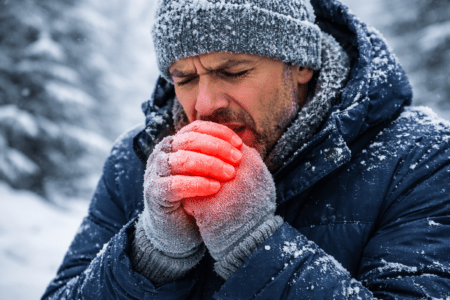
Frostbite: The Pain That Turns You Into a Human Popsicle ❄️😖 When winter goes from cute to cruel. If You’ve Ever Experienced Frostbite… Yeah. ❄️😬 If you’ve ever experienced frostbite, you already know the vibe: one minute you’re living your cute winter fantasy, and the next you’re wondering if your toes have quietly filed for retirement. Frostbite sneaks up fast. One moment it’s “this isn’t too bad,” and the next it’s numbness, pain, and the deeply unsettling question: Should my skin look like this? There’s the sting, the tingling, the wooden feeling, the “are these still my fingers?” moment. Not glamorous. Not fun. Not the winter aesthetic anyone ordered. Quick note: This isn’t medical advice—just friendly info and encouragement. Always talk with a qualified pro about your own situation. What’s Actually Going On? 🧠🩺 Frostbite happens when skin and underlying tissues literally freeze. In extreme cold, your body shifts blood away from fingers, toes, ears, and nose to protect your core. That reduced circulation plus freezing temperatures causes ice crystals to form inside your tissues. Yes—actual ice crystals. Inside your cells. The least glamorous superpower imaginable. Common frostbite triggers include: Extreme cold or wind exposure Wet gloves, socks, or shoes Tight or restrictive clothing Poor circulation Conditions like diabetes or Raynaud’s Staying out longer than planned because “it didn’t feel that cold” Frostbite doesn’t discriminate. Hikers, workers, kids, mail-fetchers—it happens. Why It Hurts (and Why You’re NOT Crazy) 😤 Frostbite pain is unpredictable. It swings from numb to burning to stabbing to “why do my hands feel like strangers?” People who haven’t experienced it often think it’s “just cold.” It’s not. This is tissue injury—and the pain, fear, and confusion are completely valid. “Frostbite isn’t just cold—it’s your skin hosting a tiny ice apocalypse.” You’re not dramatic. You’re responding to real physical damage. When to Call in the Pros ⚠️ Skin that’s hard, waxy, or unusually pale Numbness that doesn’t improve with warming Blisters forming Severe swelling or color changes Intense pain as sensation returns Fever, chills, or illness Blackened or dead-looking tissue Signs of hypothermia (confusion, slurred speech) Getting help is strength, not weakness. Home Strategies That Actually Help 🏡 Everyday Tweaks Get indoors and warm gradually Remove wet clothing immediately Loosen anything tight Keep the room comfortably warm Avoid direct heat sources Gentle Warming Techniques Warm (not hot) water immersion Warm compresses Gentle movement once feeling returns Comfort Hacks Warm beverages Soft socks and gloves Elevation for swelling Rest and hydration Recovery isn’t linear. One day feels fine. The next feels dramatic. That’s normal. “Healing frostbite is slow, but so is sunrise—you still get the light.” Real-Life Stuff: Work, Sleep, Relationships, and Sanity 😴💼❤️ Frostbite doesn’t stop at skin. It affects typing, sleep, focus, touch, and mood. Communicate limits at work Prepare loved ones for odd sensations Give yourself emotional space Celebrate small wins like warmth and movement You’re Stronger Than You Think 🌱 Frostbite can be scary, frustrating, and disruptive—but recovery, adaptation, and healing are real. You deserve warmth, support, and people who understand what you’re dealing with. Join the ItHurts Community 💬 You don’t have to face frostbite alone. Join the Community Lighthearted but Legit Medical Disclaimer This article does not diagnose or replace professional medical care. Use it to learn, not self-treat.

FOREARM PAIN: The Drama You Definitely Didn’t Audition For

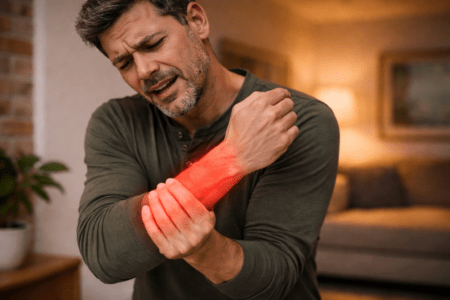
FOREARM PAIN: The Drama You Definitely Didn’t Audition For 💥💪 When gripping, typing, and lifting suddenly feel personal. When Your Forearm Suddenly Becomes the Main Character 🎭😩 Forearm pain is one of those surprise plot twists that nobody asked for. One day your arm is helping you open jars, pick up bags, and scroll endlessly. Then suddenly—bam—it feels like someone swapped your muscle with a grumpy rubber band that’s had enough of your nonsense. It’s wild how something as small as gripping a shampoo bottle can feel like you’re bench-pressing a car. Or how typing for six minutes straight can make you question every life choice that led you to owning a laptop. 😖 If forearm pain has barged into your life like an overly dramatic guest star, you’re not alone—and you’re not imagining it. Quick note: This isn’t medical advice, just friendly info and encouragement. Always talk with a qualified pro about your own situation. What’s Actually Going On? 🧠🩺 Forearm pain usually comes from irritated tendons, overworked muscles, unhappy nerves, and repetitive motion overload. In plain language: your forearm is tired and wants a vacation. Think of your forearm like a crowded city. Tendons are bridges, muscles are highways, and nerves are power lines. Repeat the same motions long enough and the entire system starts protesting. Common causes of forearm pain include: Repetitive work (typing, tools, assembly tasks) Gym overuse (too many curls, not enough recovery) Phone gripping and scrolling marathons Sports like tennis, climbing, golf, or weightlifting Sudden activity spikes after inactivity Neck or shoulder tension traveling downward The short version: forearms do a lot—and they get cranky when overloaded. Why It Hurts (and Why You’re NOT Crazy) 😤 Forearm pain makes simple tasks feel monumental. Holding a toothbrush becomes effort. Lifting a mug feels like strength training. Opening a bottle? Cancelled. And people don’t always get it. But this pain is real, exhausting, and disruptive. “My forearm didn’t tap out—it staged a full-blown walkout.” You’re not dramatic. You’re not weak. You’re dealing with a limb that temporarily forgot how to cooperate. When to Call in the Pros ⚠️ Severe or sudden swelling Numbness, tingling, or electric sensations Pain that doesn’t improve after rest Grip weakness or trouble lifting Changes in hand color or temperature Visible lumps or deformity Pain after a fall or impact This isn’t panic—it’s smart care. Home Strategies That Actually Help 🏡 Everyday Tweaks Lighten your grip on objects Adjust your workspace posture Take micro-breaks every 20–30 minutes Alternate hands when possible Limit long scrolling sessions Gentle Movement Ideas Slow wrist circles Opening and closing hands Forearm stretches (top and bottom) Gentle nerve-glide motions Comfort Hacks Warm compresses for stiffness Cool packs for swelling Support braces during repetitive tasks Forearm massage with lotion or soft ball Temporarily modifying workouts Progress isn’t linear. Some days feel great. Others feel dramatic. Both count. Real-Life Stuff: Work, Sleep, Relationships, and Sanity 😴💼❤️ Forearm pain affects typing, driving, sleeping, chores, and jar-opening diplomacy. Communicate early with coworkers and family Use voice-to-text when possible Break tasks into smaller chunks Set realistic expectations Rest without guilt “Healing isn’t about perfection—it’s about giving your body the space to remember its strength.” Your Forearm Has Opinions—but You Have Power 💪🌱 Forearm pain doesn’t own you. Small steps, gentle changes, and real support make a difference. You deserve comfort, patience, and days that don’t revolve around muscle rebellion. Join the ItHurts Community 💬 You don’t have to do forearm pain solo. Join the Community Friendly, Slightly Cheeky Disclaimer This article does not diagnose or treat any condition. Use it for understanding and support—not as a replacement for professional care.

Create Pain Stack